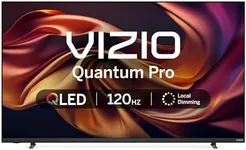
Buying Guide for the Best 50 Inch TV Uk
Choosing the right 50-inch TV can significantly enhance your viewing experience. When selecting a TV, it's important to consider various specifications that will impact picture quality, sound, connectivity, and overall performance. Understanding these key specs will help you make an informed decision that best suits your needs and preferences.ResolutionResolution refers to the number of pixels that make up the picture on the screen. The higher the resolution, the sharper and more detailed the image. Common resolutions include Full HD (1080p), 4K (2160p), and 8K. For a 50-inch TV, 4K resolution is generally recommended as it provides a high level of detail and clarity, making it ideal for watching movies, sports, and gaming. Full HD is a more budget-friendly option but may not offer the same level of detail, while 8K is cutting-edge but may be overkill for most users and content is still limited.
HDR (High Dynamic Range)HDR enhances the contrast and color range of the TV, making the picture more vibrant and realistic. There are different HDR formats such as HDR10, Dolby Vision, and HLG. HDR10 is the most common and widely supported, while Dolby Vision offers a more dynamic and superior HDR experience but is available on fewer models. If you enjoy watching movies and shows with rich visuals, opting for a TV with HDR support can significantly improve your viewing experience.
Refresh RateThe refresh rate is the number of times the TV updates the image per second, measured in Hertz (Hz). Common refresh rates are 60Hz, 120Hz, and 240Hz. A higher refresh rate results in smoother motion, which is particularly beneficial for fast-paced content like sports and action movies. For most users, a 120Hz refresh rate is a good balance, providing smooth motion without being overly expensive. Gamers might prefer even higher refresh rates for a more responsive experience.
Smart TV FeaturesSmart TVs come with built-in internet connectivity and apps, allowing you to stream content from services like Netflix, Amazon Prime, and YouTube. Some smart TVs also offer voice control and integration with smart home devices. When choosing a smart TV, consider the operating system (such as Android TV, webOS, or Tizen) and the availability of the apps you use most frequently. A user-friendly interface and reliable performance are key factors to look for.
ConnectivityConnectivity options determine how you can connect other devices to your TV. Important ports include HDMI, USB, and optical audio out. HDMI ports are essential for connecting devices like gaming consoles, Blu-ray players, and soundbars. More HDMI ports provide greater flexibility. USB ports allow you to connect external storage devices to play media files. Ensure the TV has enough ports to accommodate all your devices and consider future-proofing with HDMI 2.1 for better performance with next-gen devices.
Sound QualityWhile picture quality is often the main focus, sound quality is equally important for an immersive experience. Built-in TV speakers vary in quality, and some may not provide the best audio experience. Look for TVs with features like Dolby Atmos or DTS:X for enhanced sound. Alternatively, consider investing in a soundbar or home theater system to complement your TV's audio capabilities. If you value clear dialogue and rich sound, pay attention to the TV's audio specs and reviews.
Design and Build QualityThe design and build quality of the TV can affect both aesthetics and durability. Slim bezels and a sleek design can enhance the look of your living room. Consider the stand or wall-mounting options and ensure the TV fits well in your intended space. Build quality is also important for longevity, so look for TVs made with durable materials. If the TV will be a focal point in your room, choosing a model with a stylish design can add to the overall appeal.