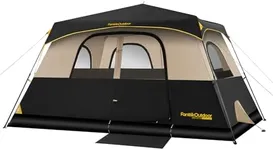
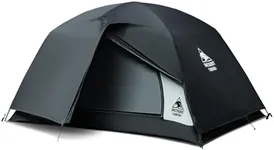
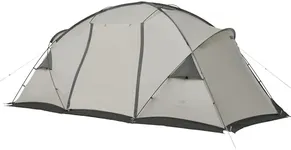
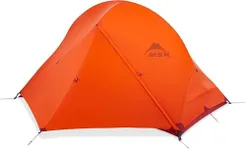
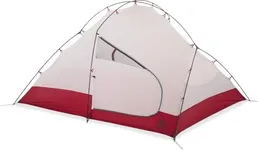
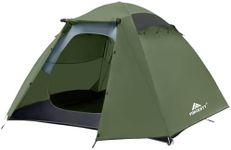
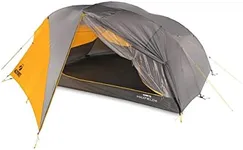
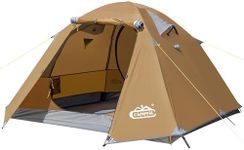
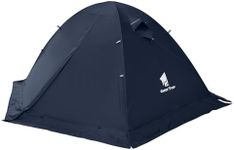
Buying Guide for the Best 4 Season Backpacking Tents
Choosing the right 4-season backpacking tent is crucial for ensuring comfort, safety, and enjoyment during your outdoor adventures. These tents are designed to withstand harsh weather conditions, including heavy snow, strong winds, and cold temperatures. When selecting a 4-season tent, it's important to consider several key specifications to ensure it meets your needs and preferences. Here are the key specs to focus on and how to navigate them.WeightWeight is a critical factor for backpacking tents because you'll be carrying it on your back along with other gear. A lighter tent is easier to carry over long distances, but it may sacrifice some durability or space. Generally, 4-season tents range from ultralight (under 4 pounds) to heavy-duty (over 8 pounds). If you prioritize ease of carrying and plan to cover long distances, opt for a lighter tent. However, if you expect severe weather and need a more robust shelter, a heavier tent might be more suitable.
CapacityCapacity refers to the number of people the tent can accommodate. It's important to choose a tent that provides enough space for you and your gear. 4-season tents typically come in 1-person to 4-person sizes. If you are solo backpacking, a 1-person tent will be lighter and more compact. For group trips, consider a tent with a higher capacity, but keep in mind that larger tents will be heavier and bulkier. Also, consider the interior space and vestibule area for storing gear.
Weather ResistanceWeather resistance is crucial for 4-season tents as they need to withstand extreme conditions. Look for features like a strong frame, durable materials, and a full-coverage rainfly. The tent should be able to handle heavy snow loads, strong winds, and low temperatures. Check for a high waterproof rating (measured in millimeters) and robust pole construction. If you plan to camp in areas with severe weather, prioritize tents with higher weather resistance.
VentilationVentilation is important to prevent condensation buildup inside the tent, which can make the interior damp and uncomfortable. Good ventilation features include mesh panels, vents, and breathable fabric. In cold weather, proper ventilation helps manage moisture without letting in too much cold air. If you tend to camp in humid or variable conditions, look for tents with adjustable ventilation options to maintain a comfortable interior climate.
Ease of SetupEase of setup is essential, especially in harsh weather conditions where you need to pitch your tent quickly. Look for tents with a simple and intuitive design, color-coded poles, and fewer components. Freestanding tents are generally easier to set up than non-freestanding ones. If you often set up camp in challenging conditions or after a long day of hiking, prioritize a tent that can be pitched quickly and easily.
DurabilityDurability ensures that your tent can withstand the rigors of 4-season use, including rough terrain and harsh weather. Durable tents are made from high-quality materials like ripstop nylon or polyester and feature strong, reinforced seams. The tent poles should be made from sturdy materials like aluminum or carbon fiber. If you plan to use your tent frequently or in extreme conditions, invest in a more durable option to ensure it lasts longer and provides reliable protection.