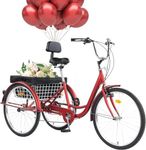
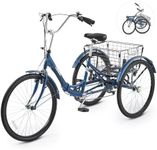
Buying Guide for the Best 3 Wheeled Bikes For Seniors
Choosing the right 3-wheeled bike for seniors involves considering several key factors to ensure comfort, safety, and ease of use. These bikes, also known as trikes, are designed to provide stability and support, making them an excellent choice for older adults who may have balance issues or prefer a more secure ride. When selecting a 3-wheeled bike, it's important to look at various specifications to find the best fit for the rider's needs and preferences.Frame MaterialThe frame material of a 3-wheeled bike affects its weight, durability, and comfort. Common materials include steel, aluminum, and carbon fiber. Steel frames are strong and durable but can be heavy, making them harder to maneuver. Aluminum frames are lighter and resistant to rust, offering a good balance between weight and strength. Carbon fiber frames are the lightest and most expensive, providing excellent performance but may not be necessary for casual riders. Seniors should consider their strength and ability to handle the bike when choosing the frame material.
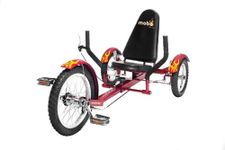
Seat TypeThe seat type on a 3-wheeled bike is crucial for comfort, especially for seniors who may spend extended periods riding. There are two main types: upright seats and recumbent seats. Upright seats are similar to traditional bike seats and are suitable for those who prefer a more conventional riding position. Recumbent seats offer a more relaxed, reclined position, which can be easier on the back and joints. Seniors with back or joint issues may find recumbent seats more comfortable and supportive.
Wheel SizeWheel size impacts the bike's stability, speed, and ease of use. Common wheel sizes for 3-wheeled bikes range from 20 inches to 26 inches. Smaller wheels (20 inches) provide better maneuverability and are easier to handle, making them ideal for indoor or tight spaces. Larger wheels (24-26 inches) offer a smoother ride and better performance on uneven terrain. Seniors should consider where they will be riding most often and choose a wheel size that matches their needs.
Gearing SystemThe gearing system determines how easy it is to pedal the bike, especially on inclines. 3-wheeled bikes can have single-speed or multi-speed gearing. Single-speed bikes are simpler to use and maintain, suitable for flat terrains and short distances. Multi-speed bikes offer a range of gears, making it easier to tackle hills and longer rides. Seniors who plan to ride on varied terrain or need assistance with pedaling should opt for a multi-speed bike.
Braking SystemThe braking system is essential for safety, allowing the rider to stop the bike effectively. Common types include rim brakes, disc brakes, and coaster brakes. Rim brakes are lightweight and easy to maintain but may not perform well in wet conditions. Disc brakes provide stronger stopping power and work well in all weather conditions, making them a good choice for seniors who ride frequently. Coaster brakes are operated by pedaling backward and are simple to use, ideal for those who prefer a straightforward braking system. Seniors should choose a braking system that they find easy to use and reliable.
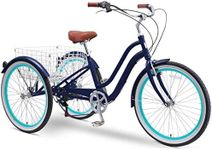
Step-Through DesignA step-through design features a low frame that makes it easier to mount and dismount the bike. This design is particularly beneficial for seniors with limited mobility or flexibility. It eliminates the need to lift the leg high over the frame, reducing the risk of falls and making the bike more accessible. Seniors who have difficulty with traditional bike frames should consider a step-through design for added convenience and safety.
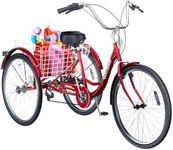
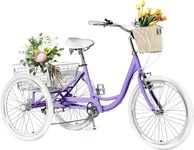
Storage OptionsMany 3-wheeled bikes come with built-in storage options such as baskets or cargo racks. These features are useful for carrying groceries, personal items, or other belongings while riding. The size and location of the storage can vary, with some bikes offering front or rear baskets. Seniors who plan to use their bike for errands or transporting items should look for models with ample and easily accessible storage options.