We Use CookiesWe use cookies to enhance the security, performance, functionality and for analytical and promotional activities. By continuing to browse this site you are agreeing to our privacy policy

Best Xlr Microphones For Podcast

From leading brands and best sellers available on the web.
#1

Winner

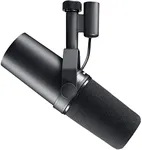
Shure SM7B Vocal Dynamic Microphone

Shure

10%OFF

Shure SM7B Vocal Dynamic Microphone – XLR Studio Mic for Podcasting, Recording, Broadcasting, Streaming & Gaming – Smooth, Warm Sound, Rugged Build, Detachable Windscreen, Wide Frequency Range, Black

View on Amazon
#2
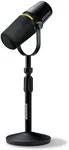
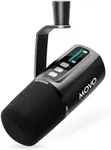
Shure MV7+ Podcast Dynamic Micropho

Shure

10%OFF

Shure MV7+ Podcast Dynamic Microphone with Stand – OBS Certified, Enhanced Audio, LED Panel, USB-C & XLR Outputs, Auto Level Mode, Digital Pop Filter – for Podcasting, Streaming, and Recording, Black
View on Amazon
#3
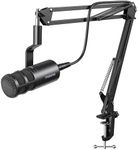
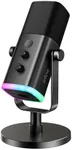
FIFINE USB/XLR Dynamic Microphone f

FIFINE

editor-choice-ribbon

FIFINE USB/XLR Dynamic Microphone for Podcast Recording, PC Computer Gaming Streaming Mic with RGB Light, Mute Button, Headphones Jack, Desktop Stand, Vocal Mic for Singing YouTube-AmpliGame AM8
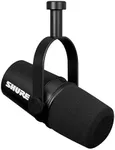
View on Amazon
#4
Shure MV7X XLR Dynamic Microphone –

Shure

10%OFF

Shure MV7X XLR Dynamic Microphone – Voice-Isolating Cardioid Mic for Podcasting, Vocal Recording & Broadcasting, All-Metal, Black
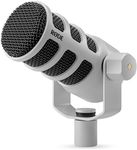
View on Amazon
#5
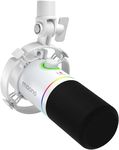
RØDE PodMic USB Dynamic Broadcast M

Rode

8%OFF

RØDE PodMic USB Dynamic Broadcast Microphone with XLR and USB Connectivity for Podcasting, Streaming and Content Creation (White)

View on Amazon
#6
AKG Pro Audio C414 XLS Studio Grade

AKG

AKG Pro Audio C414 XLS Studio Grade Professional Large Diaphragm Vocal and Instrument Condenser Microphone with Rugged Aluminum Carrying Case. XLR Connector. Gray with Gold
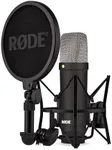
View on Amazon
#7
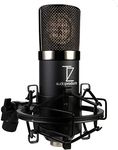
RØDE NT1 Signature Series Large-Dia

Rode

RØDE NT1 Signature Series Large-Diaphragm Condenser Microphone with Shock Mount, Pop Filter and XLR Cable for Music Production, Vocal Recording, Streaming and Podcasting (Black)
View on Amazon
#8
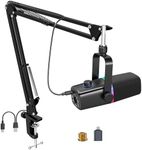
FIFINE XLR/USB Gaming Microphone Se

FIFINE

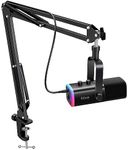
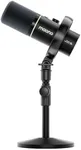
FIFINE XLR/USB Gaming Microphone Set, Dynamic PC Mic for Streaming Podcasting, Computer RGB Mic Kit with Boom Arm Stand, Mute Button, Headphones Jack, for Recording Vocal Voice-Over-AmpliGame AM8T
View on Amazon
#9
MAONO PD200W Hybrid Wireless Podcas

MAONO

35%OFF

editor-choice-ribbon

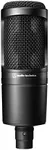
MAONO PD200W Hybrid Wireless Podcast Microphone for PC, Dynamic XLR USB Mic with Desktop Stand, Software, Noise Cancellation, for Vocal Recording, Streaming, Content Creation, Home Studio, Voiceover
View on Amazon
#10
Audio-Technica AT2020 Cardioid Cond

Audio-Technica

Audio-Technica AT2020 Cardioid Condenser Studio XLR Microphone, Ideal for Project/Home Studio Applications, Black

View on Amazon
How do we rank products for you?

Our technology thoroughly searches through the online shopping world, reviewing hundreds of sites. We then process and analyze this information, updating in real-time to bring you the latest top-rated products. This way, you always get the best and most current options available.

headphones-stars

Most Popular Categories Right Now

Buying Guide for the Best Xlr Microphones For Podcast

Choosing the right XLR microphone for your podcast is crucial to ensure high-quality audio and a professional sound. XLR microphones are known for their durability, superior sound quality, and ability to connect to professional audio equipment. When selecting an XLR microphone, consider the following key specifications to find the best fit for your needs.
Polar PatternThe polar pattern of a microphone determines how it picks up sound from different directions. Common polar patterns include cardioid, omnidirectional, and bidirectional. Cardioid microphones pick up sound primarily from the front, making them ideal for solo podcasting or interviews where background noise needs to be minimized. Omnidirectional microphones capture sound equally from all directions, which can be useful for group discussions or capturing ambient sound. Bidirectional microphones pick up sound from the front and back, making them suitable for face-to-face interviews. Choose a polar pattern based on your recording environment and the type of content you produce.
Frequency ResponseFrequency response refers to the range of frequencies a microphone can capture. A wider frequency response means the microphone can pick up a broader range of sounds, from deep bass to high treble. For podcasting, a frequency response of around 20 Hz to 20 kHz is generally sufficient, as it covers the full range of human hearing. If your podcast involves music or sound effects, you might want a microphone with an extended frequency response. Consider the type of audio you will be recording and choose a microphone that can accurately capture those sounds.
SensitivityMicrophone sensitivity indicates how well the microphone can pick up quiet sounds. It is usually measured in decibels (dB). Higher sensitivity microphones can capture softer sounds without requiring as much amplification, which can be beneficial in quiet recording environments. However, in noisy environments, a lower sensitivity microphone might be preferable to avoid picking up unwanted background noise. Assess your recording environment and choose a microphone with a sensitivity level that matches your needs.
Build QualityThe build quality of a microphone affects its durability and longevity. XLR microphones are often used in professional settings, so they are typically built to withstand regular use. Look for microphones with sturdy metal construction and high-quality components. If you plan to travel with your microphone or use it in various locations, consider a model that is known for its ruggedness. A well-built microphone will provide consistent performance and last longer, making it a worthwhile investment for your podcast.
ConnectivityXLR microphones require an audio interface or mixer to connect to your recording device. Ensure that your chosen microphone is compatible with your existing equipment or be prepared to invest in additional gear. XLR connections are known for their balanced audio signals, which reduce noise and interference, resulting in cleaner recordings. Consider the type of setup you have or plan to build and choose a microphone that integrates seamlessly with your equipment.
AccessoriesAccessories such as shock mounts, pop filters, and windshields can enhance the performance of your XLR microphone. A shock mount helps to isolate the microphone from vibrations and handling noise, while a pop filter reduces plosive sounds (like 'p' and 'b' sounds) that can cause distortion. Windshields are useful for outdoor recordings to minimize wind noise. When selecting a microphone, check if these accessories are included or if they need to be purchased separately. Having the right accessories can significantly improve the quality of your recordings.