Buying Guide for the Best Woodworking Carving Tools
Choosing the right woodworking carving tools is essential for achieving the best results in your projects. Whether you are a beginner or an experienced woodworker, understanding the key specifications of carving tools will help you make an informed decision. The right tools can make your work easier, more precise, and more enjoyable. Here are some key specifications to consider when selecting woodworking carving tools.Blade MaterialThe blade material is crucial because it determines the tool's durability, sharpness, and ease of maintenance. Common materials include high-carbon steel, stainless steel, and laminated steel. High-carbon steel is known for its sharpness and ease of sharpening but can rust if not properly maintained. Stainless steel is rust-resistant but may not hold an edge as well as high-carbon steel. Laminated steel combines the best of both worlds, offering a sharp edge with rust resistance. Choose a blade material based on your maintenance preferences and the type of wood you will be carving.
Handle MaterialThe handle material affects the comfort and control you have over the tool. Common handle materials include wood, plastic, and rubber. Wooden handles are traditional and provide a good grip, but they may require more maintenance. Plastic handles are durable and low-maintenance but may not offer the same level of comfort. Rubber handles provide excellent grip and comfort, especially for extended use. Consider how long you will be using the tool and your comfort preferences when choosing the handle material.
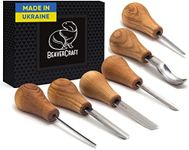
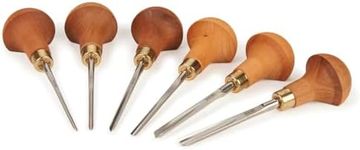
Blade ShapeThe shape of the blade determines the type of cuts you can make. Common blade shapes include straight, curved, and V-shaped. Straight blades are versatile and good for general carving. Curved blades are ideal for making concave cuts and detailed work. V-shaped blades are used for creating fine lines and intricate designs. Think about the type of projects you will be working on and choose a blade shape that suits your carving style.
Blade SizeBlade size affects the precision and scale of your work. Smaller blades offer more control and are ideal for detailed work, while larger blades are better for removing large amounts of material quickly. If you are working on small, intricate projects, opt for smaller blades. For larger projects or roughing out shapes, larger blades will be more efficient. Consider the scale of your projects and choose a blade size that matches your needs.
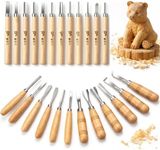
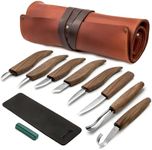
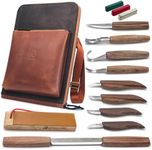
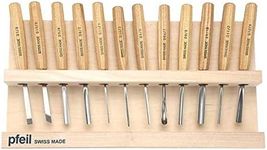
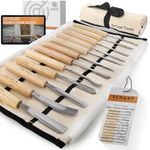
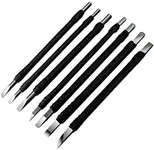
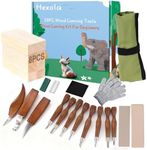
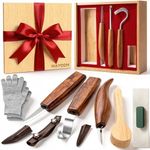
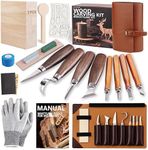
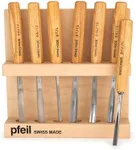
Tool TypeThere are various types of carving tools, including chisels, gouges, and knives. Chisels are used for straight cuts and can be struck with a mallet. Gouges have a curved blade and are used for scooping out material. Knives are versatile and can be used for a variety of cuts. Determine the type of carving you will be doing and select the appropriate tool type. Many woodworkers find it useful to have a variety of tools to handle different tasks.
ErgonomicsErgonomics refers to how comfortable and easy the tool is to use. Tools with ergonomic designs reduce hand fatigue and improve control. Look for features such as contoured handles, balanced weight, and non-slip grips. If you plan to carve for extended periods, ergonomic tools can make a significant difference in your comfort and precision. Test the tool in your hand if possible to ensure it feels comfortable and well-balanced.