Buying Guide for the Best Women's Weightlifting Shoes
Choosing the right women's weightlifting shoes is crucial for enhancing your performance and ensuring safety during your workouts. Weightlifting shoes are designed to provide stability, support, and proper posture, which are essential for lifting heavy weights. When selecting a pair, consider the following key specifications to find the best fit for your needs.Heel HeightHeel height in weightlifting shoes is important because it helps improve your lifting posture and allows for deeper squats. Heel heights typically range from 0.5 inches to 1 inch or more. Lower heel heights (around 0.5 inches) are suitable for those who prefer a more natural stance or have good ankle mobility. Medium heel heights (around 0.75 inches) are versatile and work well for most lifters. Higher heel heights (1 inch or more) are ideal for those with limited ankle mobility or who need extra help achieving proper depth in squats. Choose a heel height that complements your lifting style and mobility.
Sole MaterialThe sole material of weightlifting shoes affects their stability and grip. Most weightlifting shoes have hard, non-compressible soles made from materials like rubber or TPU (thermoplastic polyurethane). These materials provide a solid base, ensuring that your feet remain stable during lifts. Rubber soles offer excellent grip and are durable, making them suitable for various surfaces. TPU soles are lightweight and provide a firm, stable platform. Choose a sole material that offers the right balance of stability and grip for your lifting environment.
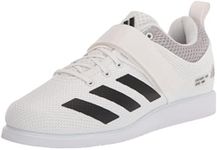
Strap SystemThe strap system in weightlifting shoes helps secure your feet and provides additional support. Common strap systems include single, double, or even triple straps. Single straps are simple and provide adequate support for most lifters. Double straps offer extra security and are ideal for those who need more foot stability. Triple straps provide maximum support and are suitable for heavy lifters or those with specific stability needs. Consider your lifting intensity and personal preference when choosing the strap system.
Fit and ComfortFit and comfort are crucial for weightlifting shoes, as an ill-fitting shoe can lead to discomfort and affect your performance. Weightlifting shoes should fit snugly without being too tight, providing support without restricting movement. Look for shoes with a comfortable insole and adequate padding around the ankle. It's also important to consider the width of the shoe, as some brands offer wider or narrower options. Try on different sizes and styles to find the best fit for your foot shape and comfort preferences.
DurabilityDurability is an important factor to consider, as weightlifting shoes need to withstand the rigors of heavy lifting and frequent use. Look for shoes made from high-quality materials, such as leather or synthetic uppers, and reinforced stitching. Durable shoes will provide long-lasting support and stability, making them a worthwhile investment. Consider how often you lift and the intensity of your workouts when evaluating the durability of a shoe.