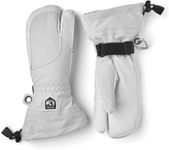
Buying Guide for the Best Women's Snow Gloves
Choosing the right women's snow gloves is essential for keeping your hands warm, dry, and comfortable during winter activities. Whether you're skiing, snowboarding, or just enjoying a snowy day, the right pair of gloves can make a big difference. Here are some key specifications to consider when selecting the best snow gloves for your needs.InsulationInsulation is the material inside the gloves that keeps your hands warm by trapping heat. This is important because it helps maintain a comfortable temperature in cold conditions. Insulation can be made from synthetic materials like Thinsulate or natural materials like down. Synthetic insulation is generally more water-resistant and performs better in wet conditions, while down insulation is warmer but can lose its insulating properties when wet. Choose synthetic insulation for wetter climates and down for extremely cold but dry conditions.
WaterproofingWaterproofing is the glove's ability to keep moisture out, which is crucial for keeping your hands dry and warm. Waterproof gloves typically have a membrane like Gore-Tex or a similar material that prevents water from penetrating the glove. Some gloves also have a water-resistant outer shell. For activities like skiing or snowboarding, where you may come into contact with snow frequently, high waterproofing is essential. For less intense activities, a water-resistant glove may suffice.
BreathabilityBreathability refers to the glove's ability to allow moisture from sweat to escape while keeping external moisture out. This is important because it helps prevent your hands from becoming clammy and cold. Breathable gloves often use materials like Gore-Tex or other breathable membranes. If you plan to engage in high-intensity activities that cause you to sweat, look for gloves with high breathability. For more casual use, breathability may be less critical.
Fit and DexterityFit and dexterity are about how well the gloves conform to your hands and how easily you can move your fingers. A good fit is important for comfort and functionality, while dexterity is crucial for tasks that require fine motor skills, like adjusting ski bindings or using a smartphone. Gloves come in various sizes, so it's important to try them on or check sizing charts. For activities requiring precision, look for gloves with a snug fit and articulated fingers. For general warmth, a looser fit may be more comfortable.
DurabilityDurability refers to how well the gloves can withstand wear and tear. This is important for ensuring that your gloves last through multiple seasons of use. Durable gloves are typically made from high-quality materials like leather or reinforced synthetic fabrics. If you plan to use your gloves for rigorous activities like skiing or snowboarding, look for gloves with reinforced palms and fingers. For occasional use, durability may be less of a concern.
Cuff StyleCuff style refers to the length and design of the glove's cuff, which can affect how well the gloves keep out snow and cold air. There are generally two types: gauntlet cuffs and under-cuff gloves. Gauntlet cuffs extend over the jacket sleeve and provide extra protection against snow, making them ideal for deep snow conditions. Under-cuff gloves fit under the jacket sleeve and offer a more streamlined look, suitable for less extreme conditions. Choose the cuff style based on the type of activities you'll be doing and your personal preference.
Touchscreen CompatibilityTouchscreen compatibility allows you to use your smartphone or other touchscreen devices without removing your gloves. This is important for convenience and staying connected while on the go. Gloves with touchscreen compatibility have special conductive materials on the fingertips. If you frequently use your phone or other devices in the cold, look for gloves with this feature. For those who don't need to use devices often, this may not be a necessary consideration.