Buying Guide for the Best Wet And Dry Car Vacuums
When choosing a wet-and-dry car vacuum, it's important to focus on how you plan to use it in your vehicle. Wet-and-dry vacuums are designed to handle both dry debris like dust and crumbs, as well as wet spills, making them versatile for car cleaning. To find the best fit, think about the size of your car, the types of messes you most frequently deal with, and how convenient you want your cleaning process to be. A little research into the core specifications will help you confidently pick a vacuum that matches your cleaning needs and lifestyle.Suction PowerSuction power refers to how strongly the vacuum can pick up debris, both wet and dry. It is important because stronger suction means better cleaning, especially for stubborn dirt embedded in car carpets or liquid spills. Suction is usually measured in air watts or kilopascals, but, for most users, it's easier to consider it in terms of light, medium, or high. Light suction is good for quick touch-ups or delicate surfaces, medium works well for regular cleaning, and high suction is best for big messes or regular deep-cleaning. If your car often gets very dirty or you want to clean liquid spills effectively, look for higher suction; for simple crumb or dust pick-up, medium is usually enough.
Tank CapacityTank capacity tells you how much dry debris or liquid the vacuum can hold before needing to be emptied. This matters because a bigger tank can handle more mess in a single session, while a smaller tank means you'll need to empty it more often. Small tanks are lighter and easier to maneuver, making them good for compact cars or quick clean-ups. Medium tanks strike a balance between size and convenience, suitable for most cars and regular use. Larger tanks are best if you frequently deal with big messes or want to clean multiple cars at once. Your need depends on how much debris you usually have and how often you like to clean.
Corded vs. CordlessThis spec covers whether the vacuum needs to be plugged into an outlet (corded) or runs on rechargeable batteries (cordless). Corded vacuums usually offer more powerful suction and unlimited run time, but you are limited by the length of the cord and the need for an electrical source. Cordless models give you easy portability and flexibility to move around the car without worrying about plugs, although their run time is limited by battery capacity and they may be less powerful. Choose corded if you need extended cleaning times and maximum power or have access to outlets; go cordless if portability and convenience are more important to your cleaning routine.
Filtration SystemFiltration traps dust, fine particles, and allergens inside the vacuum. A good filter keeps the air cleaner and prevents debris from escaping back into your car. Basic filters are suitable for regular dirt and crumbs, while advanced filters like HEPA are best if you or your passengers have allergies or you want to minimize dust inside your car. If you have sensitivity to dust, pets, or allergies, prioritize vacuums with advanced, washable filters. For general car cleaning, a basic filter system is usually adequate.
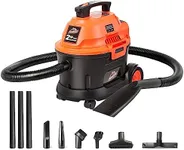
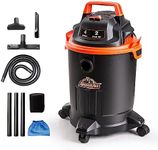
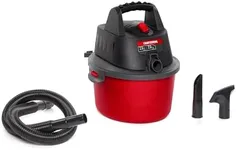
Attachments and AccessoriesThese are extra tools that come with the vacuum, designed to help you clean different surfaces and reach tricky areas. Common attachments include crevice tools for tight spaces, brush heads for fabrics, and squeegees for wet spills. The more varied your messes—like pet hair, mud, small trash, or spilled drinks—the more useful these accessories will be. If your car has a lot of nooks or specialized cleaning needs, look for a vacuum with a good set of attachments. If your cleaning is usually straightforward, fewer attachments might be just fine.
Weight and PortabilityWeight affects how easy the vacuum is to maneuver and carry, especially when cleaning larger vehicles or moving between cars. Lightweight vacuums are easier to handle, making them ideal for quick sessions or for use by anyone who prefers less lifting. Heavier models might have more features or bigger tanks, but they can be cumbersome. Consider who will be using the vacuum—if you value ease of use and portability, go lighter; if you don't mind a bit of extra weight for longer cleaning sessions, a heavier model could be suitable.