Buying Guide for the Best Waist Trimming Belts
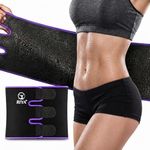
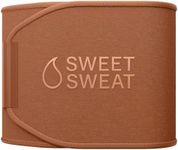
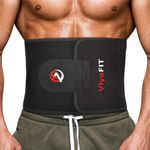
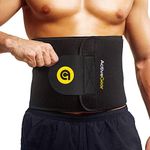
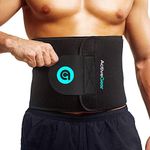
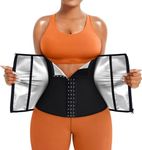
Waist-trimming belts, also known as waist trainers or slimming belts, are popular tools for those looking to shape their midsection, support their back, or enhance their workouts. When choosing a waist-trimming belt, it's important to consider several key specifications to ensure you select the best fit for your needs. Understanding these specs will help you make an informed decision and achieve your fitness or aesthetic goals effectively.MaterialThe material of a waist-trimming belt is crucial as it affects comfort, durability, and effectiveness. Common materials include neoprene, latex, and spandex. Neoprene is popular for its heat-retaining properties, which can help increase sweating during workouts. Latex offers strong compression and is often used in more rigid waist trainers. Spandex provides flexibility and comfort, making it suitable for everyday wear. Choose a material based on your intended use: neoprene for workouts, latex for strong compression, and spandex for comfort.
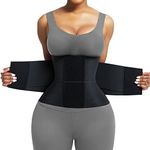
Size and AdjustabilitySize and adjustability are important to ensure the belt fits properly and provides the desired level of compression. Waist-trimming belts come in various sizes, and many feature adjustable straps or Velcro closures to customize the fit. A well-fitting belt should be snug but not too tight, allowing for comfortable movement and breathing. Measure your waist accurately and refer to the manufacturer's sizing chart. If you plan to lose weight, consider a belt with adjustable features to accommodate changes in your waist size.
Compression LevelThe compression level of a waist-trimming belt determines how tightly it fits around your waist. High compression belts offer more shaping and support, which can be beneficial for workouts or posture correction. Medium compression belts provide a balance between comfort and effectiveness, suitable for everyday wear. Low compression belts are more comfortable and less restrictive, ideal for light activities or beginners. Choose a compression level based on your comfort preference and intended use.
Closure TypeThe closure type of a waist-trimming belt affects ease of use and adjustability. Common closure types include Velcro, hook-and-eye, and zipper closures. Velcro closures are easy to adjust and provide a customizable fit, but may wear out over time. Hook-and-eye closures offer a secure fit and multiple adjustment levels, but can be more time-consuming to fasten. Zipper closures provide a sleek look and secure fit, but may not be as adjustable. Consider your preference for ease of use and adjustability when choosing a closure type.
BreathabilityBreathability is an important factor, especially if you plan to wear the belt for extended periods or during workouts. A breathable belt allows air circulation, reducing the risk of skin irritation and discomfort from excessive sweating. Look for belts with mesh panels or made from breathable materials like spandex or cotton blends. If you have sensitive skin or plan to wear the belt for long durations, prioritize breathability to ensure comfort.
PurposeThe purpose of the waist-trimming belt will guide your choice. Some belts are designed specifically for workouts, enhancing sweating and calorie burn. Others are intended for posture support, providing back support and improving alignment. There are also belts focused on aesthetic shaping, helping to create a slimmer appearance under clothing. Identify your primary goal—whether it's fitness, support, or shaping—and choose a belt that aligns with that purpose.