Buying Guide for the Best VR headset
Choosing the right VR headset can be a game-changer for your virtual reality experience. Whether you're looking to immerse yourself in gaming, explore virtual worlds, or use VR for educational purposes, it's important to understand the key specifications that will impact your experience. By focusing on these specs, you can find a VR headset that best fits your needs and preferences.Display ResolutionDisplay resolution refers to the number of pixels on the screen. Higher resolution means clearer and more detailed images, which is crucial for an immersive VR experience. Resolutions can range from 1080x1200 per eye to 2160x2160 per eye or higher. If you want the sharpest visuals, aim for a higher resolution. However, if you're just starting out or using VR for less demanding applications, a lower resolution might suffice.
Field of View (FOV)Field of View (FOV) is the extent of the observable world seen at any given moment. A wider FOV provides a more immersive experience, making you feel like you're truly inside the virtual environment. FOV typically ranges from 90 to 120 degrees. For a more realistic and engaging experience, look for a headset with a higher FOV. If you're more focused on specific applications like productivity or simple games, a lower FOV might be acceptable.
Refresh RateRefresh rate is the number of times the display updates per second, measured in Hertz (Hz). A higher refresh rate results in smoother motion and reduces motion sickness. Common refresh rates for VR headsets are 60Hz, 90Hz, and 120Hz. For a comfortable and fluid experience, especially in fast-paced games, aim for a higher refresh rate. If you're using VR for slower-paced activities, a lower refresh rate might be adequate.
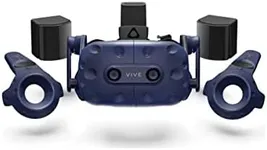
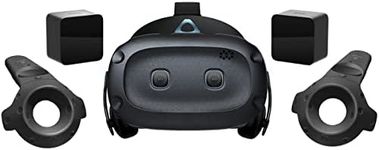
Tracking SystemThe tracking system determines how the headset and controllers track your movements. There are two main types: inside-out tracking and outside-in tracking. Inside-out tracking uses cameras on the headset itself, making it more convenient and portable. Outside-in tracking uses external sensors for more precise tracking. If you need ease of setup and portability, go for inside-out tracking. For more accurate and responsive tracking, especially in complex environments, outside-in tracking is preferable.
Comfort and FitComfort and fit are crucial for extended VR sessions. This includes the weight of the headset, the type of head straps, and the materials used for padding. A lighter headset with adjustable straps and breathable padding will be more comfortable to wear for long periods. If you plan to use VR for extended sessions, prioritize comfort and fit. If your usage will be short and infrequent, you might be able to compromise a bit on this aspect.
Platform CompatibilityPlatform compatibility refers to the devices and operating systems the VR headset can work with. Some headsets are designed for specific gaming consoles, while others are compatible with PCs or standalone. Ensure the headset you choose is compatible with your existing devices. If you have a powerful gaming PC, a PC-compatible headset might be best. If you prefer a more portable solution, consider a standalone headset.
Content LibraryThe content library is the range of games, apps, and experiences available for the VR headset. A larger content library means more options for entertainment and education. Check the available content for the headset you're considering to ensure it meets your interests. If you're into gaming, look for a headset with a strong game library. If you want educational or productivity apps, make sure those are well-represented.