We Use CookiesWe use cookies to enhance the security, performance, functionality and for analytical and promotional activities. By continuing to browse this site you are agreeing to our privacy policy

Best Usb Microphones For Podcast

From leading brands and best sellers available on the web.
#1

Winner

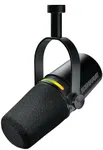
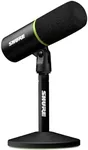
Shure MV7+ Podcast Dynamic Micropho

Shure

10%OFF

Shure MV7+ Podcast Dynamic Microphone – OBS Certified, Enhanced Audio, LED Panel, USB-C & XLR Outputs, Auto Level Mode, Digital Pop Filter, Reverb Effects – for Podcasting, Streaming, Recording, Black

View on Amazon
#2
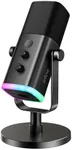
FIFINE USB/XLR Dynamic Microphone f

FIFINE

editor-choice-ribbon

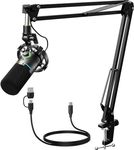
FIFINE USB/XLR Dynamic Microphone for Podcast Recording, PC Computer Gaming Streaming Mic with RGB Light, Mute Button, Headphones Jack, Desktop Stand, Vocal Mic for Singing YouTube-AmpliGame AM8
View on Amazon
#3
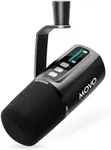
RØDE PodMic USB Versatile Dynamic B

Rode

11%OFF

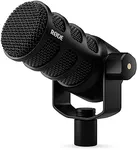
RØDE PodMic USB Versatile Dynamic Broadcast Microphone With XLR and USB Connectivity for Podcasting, Streaming, Gaming, Music-Making and Content Creation (Black)
View on Amazon
#4
Logitech Creators Blue Yeti USB Mic

Logitech for Creators

27%OFF

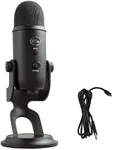
Logitech Creators Blue Yeti USB Microphone for Gaming, Streaming, Podcast, YouTube, Discord, PC, Studio Sound, Plug & Play-Blackout

View on Amazon
#5
RØDE NT1 5th Gen Large-Diaphragm St

Rode

RØDE NT1 5th Gen Large-Diaphragm Studio Condenser Microphone - XLR & USB Outputs - Shock Mount & Pop Filter Included - Music Production, Vocal Recording, Podcasting - Black - Professional Audio

View on Amazon
#6
Shure MV6 Gaming Microphone – Dynam

Shure

Shure MV6 Gaming Microphone – Dynamic USB Mic for PC Gaming & Streaming with Tap-to-Mute, Noise Cancellation, Desktop Stand & 3.5mm Headphone Monitoring, Black
View on Amazon
#7
FIFINE Studio Condenser USB Microph

FIFINE

editor-choice-ribbon

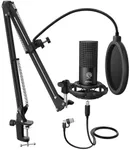
FIFINE Studio Condenser USB Microphone Computer PC Microphone Kit with Adjustable Boom Arm Stand Shock Mount for Instruments Voice Overs Recording Podcasting YouTube Vocal Gaming Streaming-T669
View on Amazon
#8
ZealSound Podcast Microphone for PC

ZealSound

editor-choice-ribbon

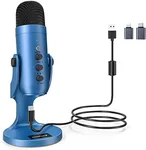
ZealSound Podcast Microphone for PC, Noise Cancellation USB Mic with Gain, Volume Adjustment & Mute Button, Monitoring & Echo, for YouTube, TikTok, Podcasting, Streaming, iPhone, iPad, Android(Blue)
View on Amazon
#9
RØDE NT-USB Mini Versatile Studio-q

Rode

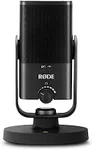
RØDE NT-USB Mini Versatile Studio-quality Condenser USB Microphone with Free Software for Podcasting, Streaming, Gaming, Music Production, Vocal and Instrument Recording,Black
View on Amazon
#10
FIFINE Dynamic Microphone, XLR/USB

FIFINE

21%OFF

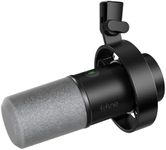
FIFINE Dynamic Microphone, XLR/USB Podcast Recording PC Microphone for Vocal Voice-Over Streaming, Studio Metal Mic with Mute, Headphone Jack, Monitoring Volume Control, Windscreen-Amplitank K688

View on Amazon
How do we rank products for you?

Our technology thoroughly searches through the online shopping world, reviewing hundreds of sites. We then process and analyze this information, updating in real-time to bring you the latest top-rated products. This way, you always get the best and most current options available.

headphones-stars

Most Popular Categories Right Now

Buying Guide for the Best Usb Microphones For Podcast

Choosing the right USB microphone for your podcast is crucial to ensure high-quality audio and a professional sound. USB microphones are popular for their ease of use and plug-and-play functionality, making them ideal for beginners and experienced podcasters alike. When selecting a USB microphone, consider the following key specifications to find the best fit for your needs.
Polar PatternThe polar pattern of a microphone determines how it picks up sound from different directions. Common polar patterns include cardioid, omnidirectional, and bidirectional. Cardioid mics capture sound from the front and are great for solo recordings, reducing background noise. Omnidirectional mics pick up sound from all directions, suitable for group discussions. Bidirectional mics capture sound from the front and back, ideal for interviews. Choose a polar pattern based on your recording setup and the number of participants.
Frequency ResponseFrequency response refers to the range of sound frequencies a microphone can capture, typically measured in Hertz (Hz). A wider frequency response range means the microphone can capture more detail in both low and high frequencies. For podcasting, a range of 20 Hz to 20 kHz is generally sufficient. Consider your content type; if you have a deep voice or use musical elements, a broader range might be beneficial.
Bit Depth and Sample RateBit depth and sample rate are important for the quality of digital audio recordings. Bit depth affects the dynamic range, with 16-bit being standard and 24-bit offering higher quality. Sample rate, measured in kHz, determines how many samples per second are taken; 44.1 kHz is standard CD quality, while 48 kHz is common for professional audio. Higher values provide better sound quality but require more storage. For podcasting, 16-bit/44.1 kHz is usually sufficient, but 24-bit/48 kHz can offer a slight quality boost.
Connectivity and CompatibilityEnsure the USB microphone is compatible with your recording device, whether it's a computer, tablet, or smartphone. Most USB microphones are plug-and-play with major operating systems like Windows, macOS, and Linux. Check if additional drivers or software are needed. Also, consider the type of USB connection (USB-A, USB-C) and ensure it matches your device's ports.
Build Quality and DesignThe build quality and design of a microphone can affect its durability and ease of use. Look for a sturdy construction, preferably with a metal body, to withstand regular use. Consider the microphone's size and weight, especially if you need to transport it frequently. A built-in stand or shock mount can help reduce handling noise and vibrations. Choose a design that fits your recording environment and personal preference.
Additional FeaturesSome USB microphones come with extra features that can enhance your recording experience. These may include built-in headphone jacks for real-time monitoring, mute buttons, gain controls, and LED indicators. While not essential, these features can provide more control over your recordings and improve the overall quality. Consider which additional features are important for your podcasting needs.