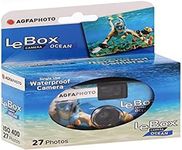
Buying Guide for the Best Underwater Disposable Cameras
Choosing the right underwater disposable camera can be a fun and rewarding experience, especially if you love capturing memories while swimming, snorkeling, or diving. These cameras are designed to be used in wet environments and are typically easy to use, making them perfect for vacations or special underwater adventures. To ensure you pick the best fit for your needs, it's important to understand the key specifications and how they impact your overall experience.Waterproof Depth RatingThe waterproof depth rating indicates how deep the camera can go underwater without being damaged. This is crucial because it determines the environments in which you can use the camera. Depth ratings usually range from a few meters to over 30 meters. If you plan to use the camera for casual swimming or snorkeling, a lower depth rating (up to 10 meters) will suffice. For scuba diving or deeper underwater exploration, look for a camera with a higher depth rating (20 meters or more).
Film TypeUnderwater disposable cameras typically use either 35mm film or a digital sensor. The film type affects the quality and number of photos you can take. 35mm film cameras usually offer a classic look and can take around 24 to 36 photos per roll. Digital disposable cameras may offer more photos and the convenience of digital storage. If you prefer the nostalgic feel of film and don't mind developing it later, go for a 35mm film camera. If you want more photos and easier access to your images, a digital option might be better.
ISO RatingThe ISO rating measures the camera's sensitivity to light. This is important for capturing clear images in different lighting conditions. ISO ratings for underwater disposable cameras typically range from 400 to 800. A lower ISO (around 400) is suitable for bright, sunny conditions, while a higher ISO (around 800) is better for low-light or deeper underwater environments. Consider where you'll be using the camera most often to choose the appropriate ISO rating.
Lens QualityThe quality of the lens affects the sharpness and clarity of your photos. Underwater disposable cameras usually have fixed-focus lenses, which means you don't need to adjust the focus manually. Look for cameras with lenses that are known for producing clear and sharp images. If you plan to take close-up shots of marine life, ensure the lens can focus well at shorter distances. For general underwater photography, a standard fixed-focus lens will work fine.
FlashA built-in flash can be very useful for underwater photography, especially in low-light conditions or at greater depths where natural light is limited. The flash helps illuminate your subjects and reduces the chances of dark or blurry photos. If you plan to take photos in deeper waters or during cloudy days, choose a camera with a reliable built-in flash. For shallow water and bright conditions, a flash may not be as necessary.
DurabilityDurability is a key factor since underwater disposable cameras need to withstand water pressure, potential impacts, and exposure to elements like sand and saltwater. Look for cameras made from sturdy materials and with a solid build. If you plan to use the camera in rough conditions or for multiple trips, ensure it has a reputation for being durable and reliable. For occasional use in calm waters, most standard models will be sufficient.