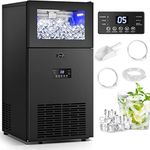
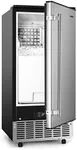
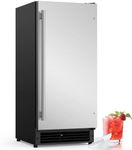
Buying Guide for the Best Undercounter Ice Machines
When choosing an undercounter ice machine, it's important to consider several key specifications to ensure you select the best fit for your needs. These machines are designed to fit seamlessly under your counter, providing a convenient and efficient way to produce ice. Understanding the different features and specifications will help you make an informed decision that matches your requirements.Ice Production CapacityIce production capacity refers to the amount of ice the machine can produce in a 24-hour period. This is important because it determines whether the machine can meet your daily ice needs. Ice production capacities can range from around 20 pounds to over 100 pounds per day. If you have a small household or a low demand for ice, a machine with a lower capacity will suffice. For larger households, offices, or commercial use, a higher capacity machine will be necessary to ensure you always have enough ice on hand.
Ice Storage CapacityIce storage capacity is the amount of ice the machine can store at one time. This is crucial because it affects how much ice is readily available for use. Storage capacities can vary from about 10 pounds to 50 pounds or more. If you frequently use large amounts of ice or entertain guests often, a machine with a larger storage capacity will be beneficial. For occasional use or smaller households, a smaller storage capacity should be adequate.
Ice TypeIce type refers to the shape and texture of the ice produced by the machine. Common types include cube, nugget, and flake ice. Cube ice is versatile and melts slowly, making it ideal for drinks. Nugget ice is softer and chewable, preferred for beverages and healthcare settings. Flake ice is soft and moldable, often used in food displays and medical applications. Consider your primary use for the ice when choosing the type. For general use, cube ice is a good choice, while nugget or flake ice may be better for specific needs.
Dimensions and InstallationThe dimensions of the ice machine are important to ensure it fits in the designated space under your counter. Measure the available space carefully and compare it with the machine's dimensions, including width, height, and depth. Additionally, consider the installation requirements, such as the need for a water line and a drain. Some machines may also require professional installation. Make sure the machine you choose fits your space and that you can accommodate the installation requirements.
Energy EfficiencyEnergy efficiency refers to how much electricity the machine uses to produce ice. This is important for both environmental and cost reasons. Energy-efficient models will consume less power, reducing your electricity bills and environmental footprint. Look for machines with an Energy Star rating or other energy efficiency certifications. If you plan to use the machine frequently, investing in an energy-efficient model can lead to significant savings over time.
Noise LevelNoise level is the amount of sound the machine produces while operating. This is important if the machine will be placed in a living area or a quiet environment. Noise levels can vary significantly between models. If you are sensitive to noise or the machine will be located in a noise-sensitive area, look for models that are specifically designed to operate quietly. Checking user reviews and product specifications can help you gauge the noise level of different machines.
Maintenance and CleaningMaintenance and cleaning refer to the ease with which you can keep the machine in good working order. Regular maintenance is essential to ensure the machine produces clean, safe ice and operates efficiently. Some machines come with self-cleaning features or easy-to-remove parts that simplify the cleaning process. Consider how much time and effort you are willing to invest in maintenance. Machines with user-friendly cleaning features can save you time and ensure the longevity of the appliance.