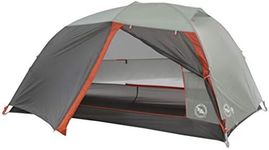
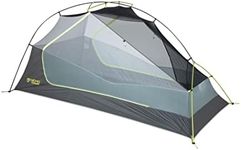
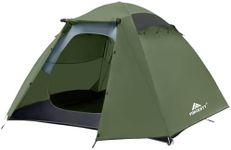
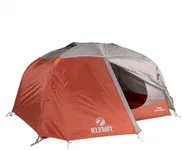
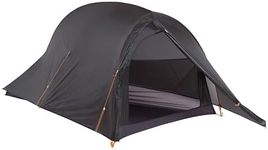
Buying Guide for the Best Ultralight Tents For Two People
Choosing the right ultralight tent for two people involves considering several key factors to ensure comfort, durability, and ease of use. Ultralight tents are designed to be lightweight and compact, making them ideal for backpacking and hiking trips where every ounce counts. When selecting a tent, it's important to balance weight with features that will meet your specific needs and preferences. Here are some key specifications to consider and how to navigate them.WeightWeight is a crucial factor in ultralight tents, as the primary goal is to minimize the load you carry. Ultralight tents typically range from 1 to 3 pounds. If you plan on long-distance hiking or backpacking, aim for a tent closer to the lower end of this range. For shorter trips or if you prioritize comfort and durability, a slightly heavier tent might be acceptable. Consider your physical capacity and the nature of your trips when deciding on the ideal weight.
Pack SizePack size refers to how compact the tent is when packed away. A smaller pack size is beneficial for fitting into your backpack and leaving room for other gear. Ultralight tents usually have pack sizes ranging from 12 to 20 inches in length and 4 to 6 inches in diameter. If space in your backpack is limited, opt for a tent with a smaller pack size. Think about the overall volume of your gear and how much space you can allocate to the tent.
MaterialThe material of the tent affects its weight, durability, and weather resistance. Common materials include nylon and polyester, often with silicone or polyurethane coatings for waterproofing. Nylon is lighter and stronger but can be more expensive, while polyester is more affordable and resistant to UV damage. If you expect harsh weather conditions, prioritize a tent with high-quality waterproof coatings. Consider the typical weather and terrain of your trips when choosing the material.
Space and DimensionsSpace and dimensions determine how comfortable the tent will be for two people. Look for a tent with a floor area of at least 25 square feet and a peak height of around 40 inches for adequate headroom. If you need more space for gear or prefer extra room, opt for a tent with larger dimensions. Consider your personal comfort preferences and the amount of gear you plan to store inside the tent.
Setup EaseSetup ease is important for convenience, especially after a long day of hiking. Ultralight tents often feature simple designs with fewer poles and clips. Look for tents with color-coded poles and intuitive designs that can be set up quickly. If you are new to camping or prefer hassle-free setups, prioritize tents with straightforward assembly instructions. Think about how often you will be setting up and taking down the tent and choose accordingly.
VentilationVentilation is crucial for reducing condensation and maintaining a comfortable interior climate. Ultralight tents typically have mesh panels and vents to promote airflow. If you plan to camp in humid or warm conditions, ensure the tent has ample ventilation features. Consider the typical climate of your camping destinations and how much airflow you will need to stay comfortable.
Weather ResistanceWeather resistance includes waterproofing, wind resistance, and overall durability. Look for tents with a high waterproof rating (measured in millimeters) and strong, wind-resistant designs. If you expect to encounter heavy rain or strong winds, prioritize tents with robust weatherproof features. Think about the worst weather conditions you might face and choose a tent that can handle them.