Buying Guide for the Best Tyvek Ground Cloths
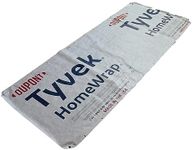
When choosing a Tyvek ground cloth, it's important to consider the specific needs of your outdoor activities. Tyvek ground cloths are known for their durability, water resistance, and lightweight properties, making them ideal for camping, backpacking, and other outdoor adventures. To ensure you select the best fit for your needs, you'll want to evaluate several key specifications. Understanding these specs will help you make an informed decision and get the most out of your ground cloth.Material TypeTyvek ground cloths are made from high-density polyethylene fibers, which provide a balance of durability and lightweight properties. This material is important because it offers excellent protection against moisture and abrasion. When evaluating material type, consider the specific type of Tyvek used, as some variations may offer different levels of breathability and strength. For example, Tyvek HomeWrap is commonly used for its durability and water resistance, while Tyvek Soft Structure may be preferred for its flexibility and comfort. Choose the material type that best matches your intended use and the conditions you'll be facing.
WeightThe weight of a Tyvek ground cloth is crucial, especially for backpackers and hikers who need to minimize their load. Tyvek is generally lightweight, but there can be variations depending on the thickness and type of Tyvek used. Lighter ground cloths are easier to carry and pack, making them ideal for long treks. However, if you need extra durability for rough terrain, you might opt for a slightly heavier option. Assess your need for portability versus durability to determine the right weight for your ground cloth.
SizeSize is an important factor to consider when selecting a Tyvek ground cloth. The size you need will depend on the dimensions of your tent or the area you want to cover. Ground cloths come in various sizes, from small single-person options to larger ones that can accommodate family-sized tents. Ensure that the ground cloth is slightly smaller than your tent's footprint to prevent water from pooling between the cloth and the tent. Measure your tent and choose a ground cloth that provides adequate coverage without excess material.
Water ResistanceWater resistance is a key feature of Tyvek ground cloths, as it helps keep moisture from seeping through to your tent or gear. Tyvek is inherently water-resistant, but some types may offer better performance in wet conditions. If you expect to encounter heavy rain or damp environments, look for ground cloths with enhanced water resistance. This will ensure that you stay dry and comfortable during your outdoor adventures. Consider the typical weather conditions you'll face and choose a ground cloth with the appropriate level of water resistance.
DurabilityDurability is essential for a ground cloth, as it needs to withstand rough surfaces, sharp objects, and frequent use. Tyvek is known for its toughness, but different types and thicknesses can affect overall durability. If you plan to use the ground cloth in rugged environments or for extended periods, opt for a thicker, more durable version. For occasional use in less demanding conditions, a lighter, less durable option may suffice. Think about how often and where you'll use the ground cloth to determine the level of durability you need.
PackabilityPackability refers to how easily the ground cloth can be folded or rolled up for transport. This is important for those who need to save space in their backpacks or storage. Tyvek ground cloths are generally easy to pack due to their lightweight and flexible nature. However, some may be more compact than others. If space is a premium, look for ground cloths that can be folded into a small, manageable size. Consider your packing constraints and choose a ground cloth that fits well within your gear.