Buying Guide for the Best TVs For Purchase
When it comes to purchasing a TV, it's important to consider several key specifications to ensure you get the best fit for your needs. Understanding these specs will help you make an informed decision and find a TV that offers the best viewing experience for you and your family. Here are the key specs you should pay attention to when shopping for a TV.Screen SizeScreen size refers to the diagonal measurement of the TV screen, usually in inches. This spec is important because it determines how large the picture will appear and how immersive your viewing experience will be. Smaller screens (32-43 inches) are suitable for bedrooms or kitchens, medium screens (50-65 inches) are great for living rooms, and larger screens (70 inches and above) are ideal for home theaters. Consider the size of the room and the distance from which you'll be watching the TV to choose the right screen size for you.
ResolutionResolution indicates the number of pixels that make up the picture on the screen, with higher resolutions providing sharper and more detailed images. Common resolutions include Full HD (1080p), 4K (Ultra HD), and 8K. Full HD is suitable for smaller screens and casual viewing, 4K is ideal for larger screens and offers a noticeable improvement in picture quality, and 8K is the latest technology with the highest resolution, best for very large screens and future-proofing. Choose a resolution based on your viewing habits and the type of content you watch.
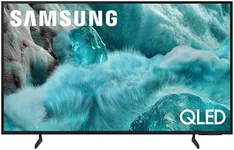
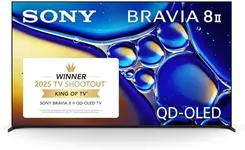
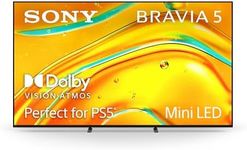
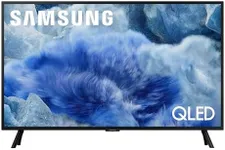
Display TechnologyDisplay technology refers to the type of screen used in the TV, with the most common types being LED, OLED, and QLED. LED TVs are generally more affordable and offer good picture quality, OLED TVs provide superior contrast and color accuracy with deeper blacks, and QLED TVs offer bright and vibrant colors with good contrast. If you prioritize picture quality and are willing to invest more, OLED or QLED might be the best choice. For a more budget-friendly option, LED TVs are still a great choice.
Refresh RateRefresh rate is the number of times per second the TV refreshes the image on the screen, measured in Hertz (Hz). A higher refresh rate results in smoother motion, which is especially important for fast-paced content like sports and action movies. Common refresh rates are 60Hz, 120Hz, and 240Hz. For general TV watching, 60Hz is usually sufficient. If you watch a lot of sports or play video games, a higher refresh rate like 120Hz or 240Hz will provide a better experience.
Smart TV FeaturesSmart TV features refer to the built-in internet connectivity and apps that allow you to stream content from services like Netflix, Hulu, and YouTube directly on your TV. This spec is important if you want to access a wide range of content without needing additional devices. Look for a TV with a user-friendly interface and a good selection of apps. If you already have streaming devices, this may be less important, but having built-in smart features can simplify your setup.
HDR (High Dynamic Range)HDR enhances the contrast and color range of the TV, providing a more realistic and vibrant picture. This spec is important for getting the best picture quality, especially when watching HDR content available on streaming services and Blu-ray discs. There are different HDR formats like HDR10, Dolby Vision, and HLG. HDR10 is the most common and widely supported, while Dolby Vision offers a more dynamic and high-quality experience. If you want the best picture quality, look for a TV that supports HDR.
ConnectivityConnectivity refers to the ports and wireless options available on the TV, such as HDMI, USB, and Wi-Fi. This spec is important for connecting external devices like gaming consoles, Blu-ray players, soundbars, and streaming devices. Make sure the TV has enough HDMI ports for your needs, and consider additional features like Bluetooth and Ethernet ports. If you have multiple devices to connect, ensure the TV can accommodate them all.
Audio QualityAudio quality refers to the sound performance of the TV's built-in speakers. This spec is important for an immersive viewing experience, as good audio can enhance the overall enjoyment of movies, shows, and games. While most modern TVs have decent audio, they often lack the depth and clarity of external sound systems. If audio quality is important to you, consider a TV with good built-in speakers or plan to invest in a soundbar or home theater system.