Buying Guide for the Best Tower Fans With Heating And Cooling
When choosing a tower fan with heating and cooling capabilities, it's important to consider several key specifications to ensure you get the best fit for your needs. These devices are versatile, providing comfort in both warm and cold weather, but the right model for you will depend on your specific requirements and preferences. Here are the key specs to look out for and how to navigate them.Heating and Cooling PowerThis spec indicates the fan's ability to heat and cool a room. It's usually measured in BTUs (British Thermal Units) for heating and in CFM (Cubic Feet per Minute) for cooling. Higher BTUs mean more heating power, while higher CFM means more cooling power. If you live in an area with extreme temperatures, you might need a fan with higher BTUs and CFM. For moderate climates, a fan with average power should suffice. Consider the size of the room you want to use it in; larger rooms will require more power.
Thermostat ControlA thermostat control allows you to set and maintain a specific temperature. This is important for energy efficiency and comfort, as it prevents the fan from running continuously and wasting energy. Look for models with an adjustable thermostat that can be set to your desired temperature. If you prefer precise control over your environment, a digital thermostat might be more suitable than a manual one.
OscillationOscillation refers to the fan's ability to rotate and distribute air evenly throughout the room. This is important for ensuring that the entire space is heated or cooled uniformly. Fans with a wider oscillation range can cover more area. If you have a large room or want to ensure even distribution of air, look for a fan with a wide oscillation angle, typically around 90 to 180 degrees.
Noise LevelThe noise level of a fan is measured in decibels (dB). This is important if you plan to use the fan in a bedroom or office where quiet operation is essential. Lower decibel levels mean quieter operation. For a peaceful environment, look for fans that operate at 50 dB or lower. If noise is not a major concern, you might be able to opt for a more powerful fan that operates at a higher noise level.
Safety FeaturesSafety features are crucial, especially if you have children or pets. Look for features like tip-over protection, which automatically shuts off the fan if it falls over, and overheat protection, which prevents the fan from overheating and causing a fire hazard. These features ensure safe operation and give you peace of mind.
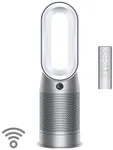
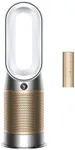
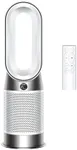
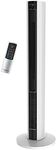
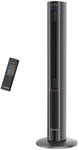
Remote ControlA remote control allows you to adjust the fan's settings from a distance, adding convenience. This is particularly useful if you plan to use the fan in a large room or if you want to adjust the settings without getting up. Look for models that come with a remote control and check the range to ensure it meets your needs.
Timer FunctionA timer function lets you set the fan to operate for a specific period before automatically turning off. This is useful for energy savings and for ensuring the fan doesn't run all night or while you're away. If you want to use the fan while sleeping or during specific times of the day, look for models with a programmable timer.
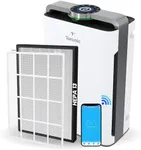
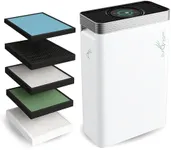
FilterSome tower fans come with built-in air filters that help clean the air as it circulates. This is important for improving indoor air quality, especially if you have allergies or respiratory issues. Look for fans with washable or replaceable filters and check the maintenance requirements. If air quality is a concern, a fan with a good filtration system can be beneficial.