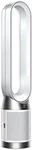
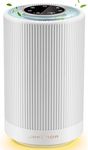
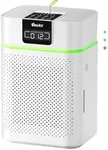
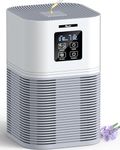
Buying Guide for the Best Tower Fans With Air Purifier
Choosing the right tower fan with an air purifier can significantly improve your indoor air quality and comfort. These devices combine the cooling benefits of a fan with the air-cleaning capabilities of a purifier, making them ideal for those who want to maintain a fresh and healthy living environment. When selecting a tower fan with an air purifier, it's important to consider several key specifications to ensure you get the best fit for your needs.Air Purification TechnologyAir purification technology refers to the method used by the device to clean the air. Common technologies include HEPA filters, activated carbon filters, and UV-C light. HEPA filters are highly effective at capturing small particles like dust, pollen, and pet dander, making them ideal for allergy sufferers. Activated carbon filters are great for removing odors and volatile organic compounds (VOCs). UV-C light can kill bacteria and viruses. Choose a technology based on your specific needs, such as allergies, pet odors, or concerns about germs.
Fan Speed SettingsFan speed settings determine how fast the fan blades rotate, affecting the airflow and cooling capacity. Most tower fans offer multiple speed settings, typically ranging from low to high. Low settings are quieter and suitable for nighttime use, while high settings provide stronger airflow for hotter days. Consider your comfort preferences and the typical climate in your area when choosing a fan with the appropriate speed settings.
Noise LevelNoise level is an important factor, especially if you plan to use the fan in a bedroom or office. Noise levels are usually measured in decibels (dB). Lower decibel ratings indicate quieter operation. Look for a fan with a noise level that suits your tolerance, keeping in mind that quieter models are generally more comfortable for sleeping or working.
Coverage AreaCoverage area refers to the size of the space that the fan and purifier can effectively serve. This is usually measured in square feet. Smaller units are suitable for bedrooms or small offices, while larger units can handle living rooms or open-plan spaces. Assess the size of the room where you plan to use the device and choose a model that can adequately cover that area.
OscillationOscillation is the ability of the fan to rotate from side to side, distributing air more evenly throughout the room. Fans with oscillation features can cover a wider area and provide more uniform cooling. If you need to cool a larger space or want more consistent airflow, look for a fan with a good oscillation range.
Filter Replacement IndicatorA filter replacement indicator alerts you when it's time to change the air purifier's filter. This feature ensures that the device continues to operate efficiently and maintain air quality. Regular filter replacement is crucial for optimal performance, so a model with this indicator can help you keep track of maintenance needs without hassle.
Remote ControlA remote control allows you to adjust the fan and purifier settings from a distance, adding convenience to your experience. This is particularly useful if you plan to use the device in a large room or want to make adjustments without getting up. Consider whether this feature would enhance your comfort and ease of use.
Energy EfficiencyEnergy efficiency refers to how much power the device consumes while operating. More energy-efficient models can save you money on electricity bills and are better for the environment. Look for fans with energy-saving modes or certifications like Energy Star to ensure you're choosing a model that balances performance with low energy consumption.