Buying Guide for the Best Tinted Wood Water Sealers
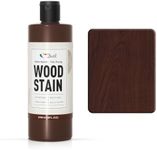
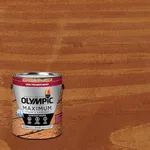
Choosing the right tinted wood water sealer is essential to protect and enhance the beauty of your wooden surfaces. A good sealer will provide a protective layer against moisture, UV rays, and other environmental factors, while also adding a touch of color to your wood. To make the best choice, you need to consider several key specifications that will determine the effectiveness and appearance of the sealer. Here’s a guide to help you understand these specifications and how to choose the right one for your needs.Tint ColorTint color refers to the hue that the sealer will add to your wood. This is important because it can enhance the natural beauty of the wood or change its appearance to match your desired aesthetic. Tint colors can range from clear to various shades of brown, red, gray, and even exotic colors. When choosing a tint color, consider the existing color of your wood and the look you want to achieve. Lighter tints will preserve the natural look of the wood, while darker tints can add depth and richness.
Water ResistanceWater resistance indicates how well the sealer can protect the wood from moisture. This is crucial for preventing water damage, such as warping, cracking, and rotting. Water resistance can vary from basic protection to high levels of waterproofing. For outdoor furniture, decks, or any wood exposed to the elements, a high water resistance level is essential. For indoor wood that is less exposed to moisture, a moderate level may suffice.
UV ProtectionUV protection refers to the sealer’s ability to shield the wood from the sun’s harmful ultraviolet rays. This is important because UV rays can cause the wood to fade, discolor, and degrade over time. Sealers with UV protection will help maintain the wood’s color and integrity. If your wood is in a sunny location, such as a deck or outdoor furniture, look for a sealer with strong UV protection. For indoor wood or shaded areas, UV protection is less critical but still beneficial.
DurabilityDurability measures how long the sealer will last before it needs to be reapplied. This is important for maintaining the wood’s protection and appearance over time. Durability can range from a few months to several years. For high-traffic areas or wood that is heavily used, choose a sealer with high durability. For less frequently used wood, a sealer with moderate durability may be sufficient.
Application MethodThe application method refers to how the sealer is applied to the wood. This can include brushing, spraying, or rolling. The ease of application is important for achieving a smooth, even finish. Some sealers are easier to apply than others, depending on their formulation. If you are a DIY enthusiast, look for a sealer that is easy to apply and provides clear instructions. For professional results, you may prefer a sealer that requires more skill but offers a superior finish.
Drying TimeDrying time is the amount of time it takes for the sealer to dry and cure completely. This is important for planning your project and ensuring the wood is ready for use. Drying times can vary from a few hours to several days. If you need to use the wood quickly, choose a sealer with a shorter drying time. For projects where time is not a constraint, a longer drying time may be acceptable.