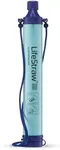
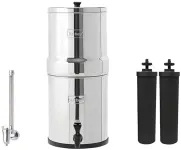
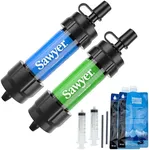
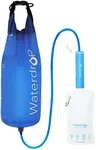
Buying Guide for the Best Survival Water Filtration Systems
Choosing the right survival water filtration system is crucial for ensuring you have access to clean and safe drinking water in emergency situations or when you're out in the wilderness. The right system can protect you from harmful contaminants and make a significant difference in your health and well-being. To make an informed decision, it's important to understand the key specifications and how they align with your specific needs and circumstances.Filtration TypeFiltration type refers to the method used to remove contaminants from water. Common types include activated carbon filters, ceramic filters, and UV purifiers. This spec is important because different filtration types are effective against different contaminants. Activated carbon filters are great for removing chemicals and improving taste, ceramic filters are effective against bacteria and protozoa, and UV purifiers can neutralize viruses. Choose a filtration type based on the specific contaminants you are most likely to encounter in your environment.
Filter LifespanFilter lifespan indicates how long a filter can be used before it needs to be replaced. This is measured in gallons or liters of water filtered. It's important because it affects the long-term usability and cost-effectiveness of the system. Lifespans can range from a few hundred to several thousand gallons. If you need a system for long-term use or for a large group, opt for a filter with a longer lifespan. For short-term or individual use, a shorter lifespan may be sufficient.
Flow RateFlow rate measures how quickly water can be filtered, usually in liters per minute. This spec is important because it affects how long you'll have to wait for clean water. Higher flow rates are more convenient, especially for larger groups or when you need water quickly. Flow rates can vary from slow drip systems to fast-flowing pumps. Consider your patience level and the number of people relying on the system when choosing the right flow rate for you.
PortabilityPortability refers to how easy it is to carry and transport the filtration system. This is crucial for survival situations where you may need to move frequently or carry the system over long distances. Portable systems are typically lightweight and compact, making them ideal for backpacking and emergency kits. Larger, more robust systems may offer better filtration but can be cumbersome to carry. Choose a system that balances portability with your filtration needs.
Ease of UseEase of use describes how simple it is to operate the filtration system. This is important because in survival situations, you need a system that can be quickly and easily used without complicated procedures. Some systems require manual pumping, while others are gravity-fed or use simple squeeze bottles. Consider your comfort level with different types of operation and choose a system that you can use efficiently under stress.
Contaminant RemovalContaminant removal specifies the types and sizes of contaminants the system can filter out, such as bacteria, protozoa, viruses, chemicals, and heavy metals. This is crucial for ensuring the water you drink is safe. Systems vary in their effectiveness against different contaminants. If you're in an area with known chemical pollution, choose a system that excels in chemical removal. For wilderness areas, focus on systems that effectively remove biological contaminants.
DurabilityDurability refers to how well the filtration system can withstand harsh conditions and repeated use. This is important for ensuring the system remains functional over time, especially in rugged environments. Durable systems are typically made from high-quality materials and have fewer moving parts that can break. If you expect to use the system frequently or in tough conditions, prioritize durability to ensure reliability.