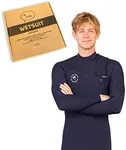
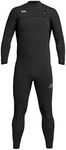
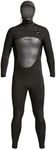
Buying Guide for the Best Surf Suits
Choosing the right surf suit is essential for comfort, performance, and protection while surfing. The right surf suit will keep you warm in cold water, protect you from the sun, and allow for maximum flexibility and movement. To find the best surf suit for you, consider the following key specifications and how they align with your needs and preferences.MaterialThe material of a surf suit is crucial because it affects the suit's flexibility, durability, and thermal insulation. Most surf suits are made from neoprene, which provides excellent insulation and flexibility. Thicker neoprene offers more warmth but less flexibility, while thinner neoprene is more flexible but less insulating. Choose a material thickness based on the water temperature you'll be surfing in: thicker for colder waters and thinner for warmer conditions.
ThicknessThickness refers to the thickness of the neoprene material, usually measured in millimeters. It is important because it determines how warm the suit will keep you. Surf suits typically range from 2mm to 6mm in thickness. For warm water (above 70°F), a 2mm suit is sufficient. For moderate temperatures (60-70°F), a 3/2mm suit (3mm torso, 2mm limbs) is ideal. For cold water (50-60°F), a 4/3mm suit is recommended, and for very cold water (below 50°F), a 5/4mm or 6/5mm suit is necessary. Choose the thickness based on the water temperature you will be surfing in.
SeamsSeams are the stitching that holds the surf suit together, and they play a significant role in the suit's durability and water resistance. There are different types of seams: flatlock, sealed, and taped. Flatlock seams are durable but allow some water to seep in, making them suitable for warmer conditions. Sealed seams (glued and blind-stitched) prevent water entry and are better for colder conditions. Taped seams offer the highest level of water resistance and durability, ideal for very cold water. Choose the seam type based on the water temperature and your need for water resistance.
FitThe fit of a surf suit is important for comfort and performance. A well-fitting suit should be snug but not too tight, allowing for full range of motion without causing discomfort. It should fit closely to your body to prevent water from entering and to provide optimal insulation. When trying on a surf suit, make sure there are no gaps or loose areas, especially around the neck, wrists, and ankles. Consider your body shape and size when selecting a suit to ensure the best fit.
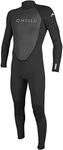
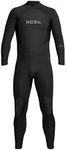
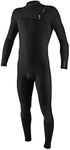
Entry SystemThe entry system refers to how you get in and out of the surf suit. Common types include back-zip, chest-zip, and zipperless. Back-zip suits are easier to put on and take off but may allow more water to enter. Chest-zip suits offer better water resistance and flexibility but can be more challenging to put on. Zipperless suits provide the best flexibility and water resistance but can be the most difficult to put on and take off. Choose an entry system based on your preference for ease of use versus water resistance and flexibility.
Additional FeaturesAdditional features such as reinforced knees, key pockets, and thermal linings can enhance the functionality and comfort of a surf suit. Reinforced knees provide extra durability for activities like kneeling on the board. Key pockets offer a secure place to store small items. Thermal linings add extra warmth and comfort. Consider which additional features are important to you based on your surfing habits and preferences.