We Use CookiesWe use cookies to enhance the security, performance, functionality and for analytical and promotional activities. By continuing to browse this site you are agreeing to our privacy policy

Best Streaming Mics

From leading brands and best sellers available on the web.
#1

Winner

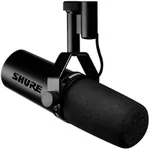
Shure SM7dB Dynamic Vocal Microphon

Shure

10%OFF

Shure SM7dB Dynamic Vocal Microphone with Built-in Preamp – Studio Mic for Streaming, Podcasting, and Recording – Smooth Sound, Wide Frequency Range, Rugged Build, Windscreen Included, XLR, Black

View on Amazon
#2
Shure MV7+ Podcast Dynamic Micropho

Shure

10%OFF

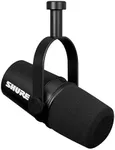
Shure MV7+ Podcast Dynamic Microphone – OBS Certified, Enhanced Audio, LED Panel, USB-C & XLR Outputs, Auto Level Mode, Digital Pop Filter, Reverb Effects – For Podcasting, Streaming, Recording, White
View on Amazon
#3
Shure SM7B Vocal Dynamic Microphone

Shure

10%OFF

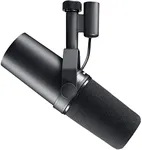
Shure SM7B Vocal Dynamic Microphone – XLR Studio Mic for Podcasting, Recording, Broadcasting, Streaming & Gaming – Smooth, Warm Sound, Rugged Build, Detachable Windscreen, Wide Frequency Range, Black
View on Amazon
#4
FIFINE USB/XLR Dynamic Microphone f

FIFINE

editor-choice-ribbon

FIFINE USB/XLR Dynamic Microphone for Podcast Recording, PC Computer Gaming Streaming Mic with RGB Light, Mute Button, Headphones Jack, Desktop Stand, Vocal Mic for Singing YouTube-AmpliGame AM8
View on Amazon
#5
Shure MV7X XLR Dynamic Microphone –

Shure

10%OFF

Shure MV7X XLR Dynamic Microphone – Voice-Isolating Cardioid Mic for Podcasting, Vocal Recording & Broadcasting, All-Metal, Black

View on Amazon
#6
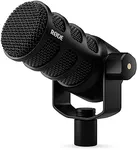
RØDE PodMic USB Dynamic Broadcast M

Rode

8%OFF

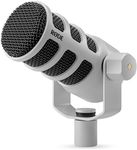
RØDE PodMic USB Dynamic Broadcast Microphone with XLR and USB Connectivity for Podcasting, Streaming and Content Creation (White)
View on Amazon
#7
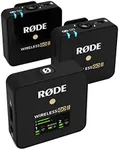
RØDE Wireless GO II Ultra-compact D

Rode

RØDE Wireless GO II Ultra-compact Dual-channel Wireless Microphone System with Built-in Microphones, On-board Recording and 200m Range for Filmmaking, Interviews and Content Creation
View on Amazon
#8
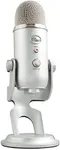
Logitech Creators Blue Yeti USB Mic

Logitech for Creators

29%OFF

Logitech Creators Blue Yeti USB Microphone for Gaming, Streaming, Podcast, YouTube, Discord, PC, Studio Sound, Plug & Play-Silver
View on Amazon
#9
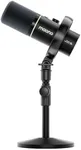
RØDE PodMic USB Versatile Dynamic B

Rode

11%OFF

RØDE PodMic USB Versatile Dynamic Broadcast Microphone With XLR and USB Connectivity for Podcasting, Streaming, Gaming, Music-Making and Content Creation (Black)
View on Amazon
#10
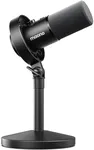
MAONO PD200W Hybrid Wireless Podcas

MAONO

35%OFF

editor-choice-ribbon

MAONO PD200W Hybrid Wireless Podcast Microphone for PC, Dynamic XLR USB Mic with Desktop Stand, Software, Noise Cancellation, for Vocal Recording, Streaming, Content Creation, Home Studio, Voiceover

View on Amazon
How do we rank products for you?

Our technology thoroughly searches through the online shopping world, reviewing hundreds of sites. We then process and analyze this information, updating in real-time to bring you the latest top-rated products. This way, you always get the best and most current options available.

headphones-stars

Most Popular Categories Right Now

Buying Guide for the Best Streaming Mics

Choosing the right streaming microphone can significantly enhance the quality of your content, whether you're a podcaster, gamer, or live streamer. The right microphone will capture your voice clearly and reduce background noise, making your streams more professional and enjoyable for your audience. To find the best fit for you, it's important to understand the key specifications and how they align with your specific needs.
Microphone TypeThere are two main types of microphones: dynamic and condenser. Dynamic microphones are durable and handle high sound pressure levels well, making them ideal for loud environments. Condenser microphones are more sensitive and provide a higher quality sound, which is great for controlled environments like a home studio. If you stream in a noisy environment, a dynamic microphone might be better. If you have a quiet, controlled space, a condenser microphone could be the right choice.
Polar PatternThe polar pattern of a microphone determines how it picks up sound from different directions. Common patterns include cardioid, omnidirectional, and bidirectional. Cardioid microphones pick up sound primarily from the front, making them great for solo streamers. Omnidirectional microphones capture sound from all directions, which can be useful for group discussions. Bidirectional microphones pick up sound from the front and back, ideal for interviews. Choose a polar pattern based on how you plan to use the microphone.
Frequency ResponseFrequency response refers to the range of frequencies a microphone can pick up. A wider frequency response captures more detail in your voice, while a narrower range might miss some nuances. For most streamers, a frequency response of 20 Hz to 20 kHz is sufficient, as it covers the full range of human hearing. If you have a deep voice, look for a microphone with good low-frequency response. For higher-pitched voices, ensure the microphone captures higher frequencies well.
ConnectivityMicrophones can connect to your computer via USB or XLR. USB microphones are easy to set up and use, making them ideal for beginners. XLR microphones require an audio interface or mixer, offering more control over sound quality and are preferred by professionals. If you're just starting out, a USB microphone is a convenient choice. If you're looking for higher audio quality and more control, consider an XLR microphone.
Build QualityThe build quality of a microphone affects its durability and longevity. Look for microphones made from sturdy materials like metal, which can withstand regular use and accidental drops. A well-built microphone will last longer and provide consistent performance. If you plan to travel with your microphone or use it frequently, investing in a durable model is important.
Additional FeaturesSome microphones come with additional features like built-in headphone jacks for real-time monitoring, mute buttons, and gain controls. These features can enhance your streaming experience by giving you more control over your audio. Consider what additional features might be useful for your specific needs. For example, real-time monitoring can help you catch audio issues during a live stream, while a mute button can be handy for quickly silencing your mic.