Buying Guide for the Best Steam Furnace Humidifiers
When choosing a steam furnace humidifier, it's important to understand how these devices work and what features are most important for your needs. Steam furnace humidifiers add moisture to the air by heating water to create steam, which is then distributed throughout your home via the furnace's ductwork. This can help maintain a comfortable humidity level, which is beneficial for your health, your home's structure, and your overall comfort. To make an informed decision, consider the following key specifications and how they align with your specific needs.CapacityCapacity refers to the amount of moisture a humidifier can add to the air in a given time, usually measured in gallons per day. This is important because it determines how effectively the humidifier can maintain the desired humidity level in your home. For smaller homes or apartments, a lower capacity (around 10-12 gallons per day) may be sufficient. For larger homes, you might need a higher capacity (20-25 gallons per day or more). Consider the size of your home and the typical humidity levels in your area when choosing the right capacity.
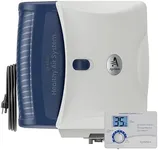
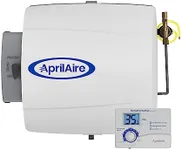
Control TypeControl type refers to how you manage the humidifier's settings. This can range from manual controls to more advanced digital or smart controls. Manual controls are straightforward and easy to use but may require more frequent adjustments. Digital controls offer more precise settings and often include features like automatic humidity adjustment. Smart controls can be integrated with home automation systems, allowing you to control the humidifier remotely via a smartphone app. Choose a control type that matches your comfort with technology and your desire for convenience.
Installation RequirementsInstallation requirements include the space needed for the humidifier and the complexity of the installation process. Some steam furnace humidifiers are designed for easy DIY installation, while others may require professional installation due to their complexity or the need for specific connections to your furnace and water supply. Consider your comfort level with DIY projects and whether you're willing to hire a professional. Also, ensure you have enough space in your furnace area to accommodate the humidifier.
Maintenance NeedsMaintenance needs refer to the regular upkeep required to keep the humidifier running efficiently. This can include tasks like cleaning the unit, replacing filters, and checking for mineral buildup. Some models are designed to be low-maintenance, with features like self-cleaning systems or easy-access components. Others may require more frequent attention. Consider how much time and effort you're willing to invest in maintenance when choosing a model. If you prefer minimal maintenance, look for features that simplify the process.
Noise LevelNoise level is the amount of sound the humidifier produces while operating. This is important if the unit is located near living spaces or bedrooms where noise could be disruptive. Noise levels can vary significantly between models, with some being almost silent and others producing noticeable sound. If noise is a concern for you, look for models that are specifically designed to operate quietly. Manufacturers often provide noise level ratings, so you can compare and choose a model that meets your comfort preferences.
Energy EfficiencyEnergy efficiency refers to how much electricity the humidifier uses to produce steam. This is important for both environmental reasons and your utility bills. More energy-efficient models will use less electricity, which can save you money over time. Look for models with energy-saving features, such as variable output settings or automatic shut-off when the desired humidity level is reached. Consider your energy consumption habits and whether you prioritize eco-friendly appliances when making your choice.