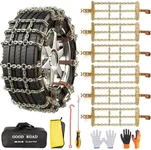
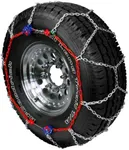
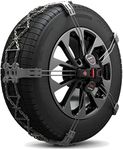
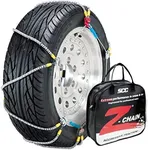
Buying Guide for the Best Snow Tire Chains
Choosing the right snow tire chains is crucial for ensuring safety and performance when driving in snowy or icy conditions. Snow tire chains provide the necessary traction to prevent slipping and sliding, making your journey safer. When selecting snow tire chains, it's important to consider several key specifications to ensure you get the best fit for your vehicle and driving needs.Size CompatibilitySize compatibility refers to the fit of the snow tire chains on your vehicle's tires. This is important because improperly fitting chains can cause damage to your tires or vehicle and may not provide the necessary traction. To navigate this spec, check your tire size, which is usually printed on the sidewall of your tires. Snow tire chains come in various sizes, so match the chain size to your tire size. For the best fit, consult the manufacturer's size chart or guidelines. If you drive a standard passenger car, look for chains designed for smaller tires, while larger vehicles like trucks or SUVs will need chains that fit larger tires.
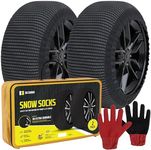
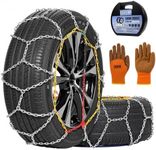
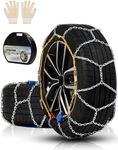
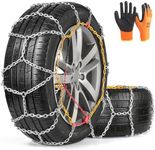
MaterialThe material of the snow tire chains affects their durability and performance. Common materials include steel, manganese alloy, and rubber. Steel chains are durable and provide excellent traction, making them suitable for frequent use in harsh conditions. Manganese alloy chains are lighter and more resistant to wear, offering a good balance of durability and ease of use. Rubber chains are easier to install and remove but may not provide as much traction as metal chains. Choose the material based on how often you plan to use the chains and the severity of the conditions you'll be driving in. For occasional use, rubber or alloy chains may suffice, while frequent drivers in severe conditions should opt for steel chains.
Ease of InstallationEase of installation refers to how simple it is to put the snow tire chains on and take them off your tires. This is important because you may need to install or remove the chains in challenging weather conditions. Some chains come with self-tightening or quick-fit systems that make installation faster and easier. To navigate this spec, look for chains with clear instructions and user-friendly features like color-coded parts or built-in tensioning systems. If you are not experienced with installing tire chains, opt for a model that emphasizes ease of installation to save time and reduce frustration.
Traction and PerformanceTraction and performance refer to how well the snow tire chains grip the road and improve your vehicle's handling in snowy or icy conditions. This is crucial for maintaining control and safety while driving. Chains with more aggressive patterns or additional traction elements like studs or spikes provide better grip but may be noisier and less comfortable on dry roads. To navigate this spec, consider the typical driving conditions you will face. For severe ice and deep snow, choose chains with enhanced traction features. For lighter snow or mixed conditions, standard chains with a simpler pattern may be sufficient.
DurabilityDurability refers to how long the snow tire chains will last under regular use. This is important because durable chains will provide reliable performance over multiple seasons, saving you money in the long run. Factors that affect durability include the material, construction quality, and design. To navigate this spec, look for chains made from high-quality materials like hardened steel or manganese alloy and those with reinforced links or cross-sections. If you drive frequently in harsh winter conditions, invest in more durable chains to ensure they withstand the wear and tear.