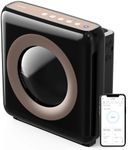
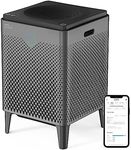
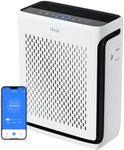
Buying Guide for the Best Smart Home Compatible Air Purifiers
When choosing a smart-home-compatible air purifier, it's important to think about both your air quality needs and your smart home setup. Air purifiers vary widely in terms of filtration power, features, and smart capabilities. Picking the right one means balancing effective air cleaning with the type of smart controls that fit your daily routines—understanding what each key specification really means will help you select the best match for your home environment.Filtration System TypeThe filtration system describes how the air purifier removes particles from the air. Common options include HEPA filters for dust and pollen, activated carbon for odors and gases, and sometimes UV-C or ionizers for germs and microorganisms. This is important because the right filtration system determines the range of pollutants your device can handle. When comparing choices, look for air purifiers with at least a true HEPA filter for general allergens, and add carbon or other features if you have concerns about odors or germs. People with allergies or sensitivities will benefit from multi-stage systems, while basic HEPA might be enough for light use.
Smart CompatibilitySmart compatibility means how well the air purifier integrates with your home automation setup—such as Alexa, Google Assistant, Apple HomeKit, or proprietary apps. This is important if you want to use voice commands or automate your air purifier, for example, turning it on when you leave the house or based on air quality readings. Devices might support only some smart ecosystems, so when narrowing down your options, ensure the purifier works with the voice assistants or apps you already use. If you often control your home with your phone or voice, prioritize strong smart integration.
Coverage AreaCoverage area specifies the maximum room size the air purifier can handle effectively, usually measured in square feet or square meters. This is key because using a small-capacity purifier in a large room will result in weak air cleaning. Typically, you'll find units designed for small (up to 200 sq ft), medium (200-400 sq ft), and large rooms (over 400 sq ft). Match the coverage area to the size of your intended room—if you plan to move it around, consider the largest space it will be used in.
CADR RatingCADR, or Clean Air Delivery Rate, tells you how efficiently the purifier can filter dust, smoke, and pollen from the air in a given time, usually shown in cubic feet per minute (cfm) or cubic meters per hour. Higher CADR values mean faster, more effective cleaning, which is crucial in spaces with high pollution or frequent allergens. Choose a model with a CADR rating that matches the size of your room for best performance. If you’re in an area with more pollution or have severe allergies, opt for a higher CADR.
Noise LevelNoise level refers to how loud the purifier runs, measured in decibels (dB). This matters especially if you’ll place the device in quiet rooms like bedrooms or offices. Purifiers can range from whisper-quiet (20-30 dB) to noticeable (50+ dB) on higher settings. Sensitive users or those planning to use purifiers at night should pick units with lower noise levels or night/sleep modes.
Filter Replacement IndicatorA filter replacement indicator notifies you when it’s time to change the filter, helping your purifier work effectively without you having to guess. This makes maintenance much easier and ensures consistent air quality. If you prefer hassle-free upkeep, pick a purifier with a clear, easy-to-understand indicator.
Mobile App FeaturesMobile app features include remote control, scheduling, air quality monitoring, and status updates via your phone. These add convenience by letting you adjust settings, view real-time air quality, or receive maintenance alerts from anywhere. If you like to monitor or control devices remotely, go for purifiers with robust, well-reviewed apps and useful features relevant to your needs.
Auto Mode and SensorsAuto mode utilizes built-in sensors to detect air quality and adjust purifier speed automatically. This saves energy and ensures optimal cleaning without your intervention. It’s useful for people who want hands-off operation or live in areas with variable air quality. If you want to set-and-forget your purifier, prioritize models with sensitive, reliable auto mode.