Buying Guide for the Best Ski Backpacks
Choosing the right ski backpack is essential for a comfortable and enjoyable skiing experience. A good ski backpack will not only carry your gear but also provide easy access, comfort, and safety features. When selecting a ski backpack, consider the type of skiing you will be doing, the duration of your trips, and the specific features that will best meet your needs. Here are some key specifications to consider when choosing a ski backpack.CapacityCapacity refers to the volume of the backpack, usually measured in liters. This spec is important because it determines how much gear you can carry. For day trips, a backpack with a capacity of 20-30 liters is usually sufficient. For longer trips or if you need to carry more gear, consider a backpack with a capacity of 30-50 liters. Choose a capacity based on the length of your trips and the amount of gear you need to bring.
Fit and ComfortFit and comfort are crucial for a ski backpack, as you will be wearing it for extended periods. Look for adjustable shoulder straps, a padded back panel, and a hip belt to distribute the weight evenly. Some backpacks also offer adjustable torso lengths. Try on different backpacks to see which one fits your body shape and size best. A well-fitting backpack will reduce strain and improve your overall skiing experience.
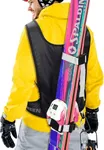
Ski Carry OptionsSki carry options refer to the ways you can attach your skis to the backpack. This is important for times when you need to hike or climb with your skis. Common options include diagonal carry, A-frame carry, and vertical carry. Diagonal carry is quick and easy, A-frame carry is stable and balanced, and vertical carry is compact. Choose a carry option based on your preference and the type of terrain you will be navigating.
Avalanche Safety FeaturesAvalanche safety features are critical if you are skiing in backcountry or avalanche-prone areas. Look for backpacks with dedicated compartments for avalanche tools like a shovel and probe. Some backpacks also come with an avalanche airbag system, which can help keep you on the surface of the snow in the event of an avalanche. Choose a backpack with the necessary safety features based on the level of risk in your skiing environment.
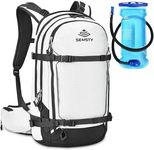
Hydration CompatibilityHydration compatibility means the backpack can accommodate a hydration reservoir or bladder, allowing you to drink water without stopping. This is important for staying hydrated during long skiing sessions. Look for backpacks with a dedicated sleeve and hose routing for a hydration system. If you plan to ski for extended periods, a hydration-compatible backpack can be very convenient.
Durability and MaterialDurability and material refer to the construction and fabric of the backpack. This is important because a durable backpack will withstand the harsh conditions of skiing. Look for backpacks made from high-quality, water-resistant materials like nylon or polyester. Reinforced stitching and robust zippers also contribute to durability. Choose a backpack that can handle the wear and tear of your skiing activities.
Access and OrganizationAccess and organization refer to how easily you can reach your gear and how well it is organized within the backpack. This is important for efficiency and convenience. Look for backpacks with multiple compartments, pockets, and easy-access zippers. Some backpacks also have specific compartments for goggles, helmets, and other gear. Choose a backpack that allows you to organize your gear in a way that suits your needs.