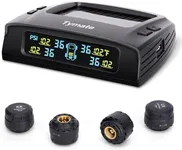
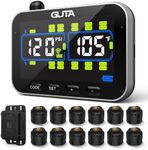
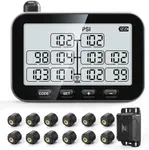
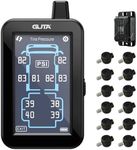
Buying Guide for the Best RV Tire Monitoring Systems
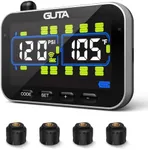
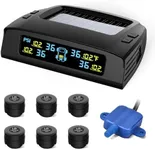
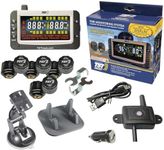
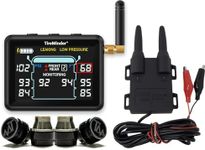
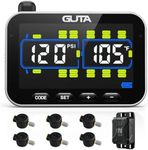
Choosing the right RV tire monitoring system is crucial for ensuring your safety and the longevity of your tires while on the road. A good tire monitoring system can alert you to potential issues before they become serious problems, helping you avoid accidents and costly repairs. When selecting a tire monitoring system, consider the following key specifications to find the best fit for your needs.Number of SensorsThe number of sensors in a tire monitoring system indicates how many tires it can monitor simultaneously. This is important because you need a sensor for each tire on your RV. Systems typically come with 4, 6, or 8 sensors. If you have a larger RV or a trailer, you may need more sensors. Choose a system that matches the number of tires on your vehicle to ensure comprehensive monitoring.
Pressure RangeThe pressure range of a tire monitoring system refers to the range of tire pressures it can accurately measure. This is important because different RVs and trailers have different recommended tire pressures. Common pressure ranges are 0-100 PSI, 0-150 PSI, and 0-200 PSI. Check your RV's tire pressure requirements and choose a system that can measure within that range to ensure accurate readings.
Temperature MonitoringTemperature monitoring is a feature that allows the system to measure the temperature of your tires in addition to the pressure. This is important because high tire temperatures can indicate potential issues such as under-inflation or overloading. Systems with temperature monitoring can alert you to these problems before they lead to tire failure. If you frequently travel in hot climates or carry heavy loads, consider a system with this feature.
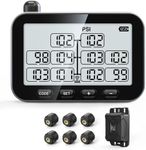
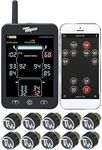
Display TypeThe display type of a tire monitoring system refers to how the information is presented to you. Common display types include LCD screens, LED indicators, and smartphone apps. This is important because you need to be able to easily read and understand the information while driving. Choose a display type that you find easy to read and that fits well within your RV's dashboard setup. If you prefer using your smartphone, look for a system with a compatible app.
Alert TypesAlert types refer to the different ways the system can notify you of issues, such as visual alerts, audible alarms, or smartphone notifications. This is important because timely alerts can help you address problems quickly. Systems with multiple alert types can be more effective in catching your attention. Consider your driving habits and choose a system with alert types that you are most likely to notice and respond to promptly.
Battery LifeBattery life refers to how long the sensors' batteries will last before needing replacement or recharging. This is important because longer battery life means less frequent maintenance. Typical battery life ranges from 6 months to 2 years. If you prefer less frequent maintenance, choose a system with longer battery life. Additionally, consider whether the system uses replaceable or rechargeable batteries based on your convenience.
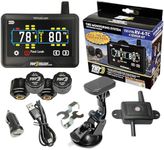
Installation EaseInstallation ease refers to how simple it is to set up the tire monitoring system on your RV. This is important because a system that is difficult to install may lead to improper setup and unreliable readings. Some systems are designed for easy DIY installation, while others may require professional help. If you are comfortable with DIY projects, look for a system with straightforward installation instructions. Otherwise, consider a system that offers professional installation services.