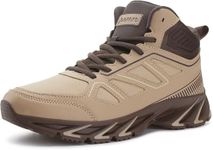
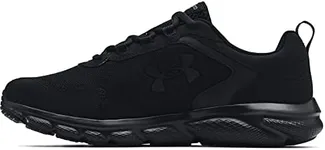
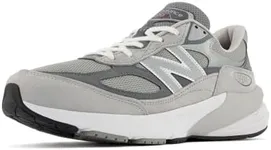
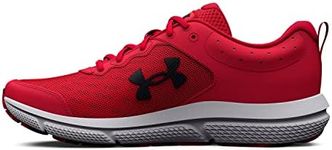
Buying Guide for the Best Running Sneakers For Men
Choosing the right running sneakers is crucial for comfort, performance, and injury prevention. The right pair of running shoes can make a significant difference in your running experience, whether you're a beginner or a seasoned runner. When selecting running sneakers, consider factors such as fit, support, cushioning, and the type of running you'll be doing. Understanding these key specifications will help you make an informed decision and find the best fit for your needs.FitFit refers to how well the shoe conforms to the shape of your foot. A good fit is essential to prevent blisters, discomfort, and injuries. When trying on running sneakers, ensure there is enough room in the toe box for your toes to move freely, but not so much that your foot slides around. The heel should fit snugly without slipping. It's important to try on shoes at the end of the day when your feet are slightly swollen to get the most accurate fit. If you have wide or narrow feet, look for brands that offer different width options.
SupportSupport in running sneakers refers to the stability and structure provided to your foot, particularly the arch. This is important to prevent overpronation (excessive inward rolling of the foot) or supination (outward rolling). Running shoes are generally categorized into neutral, stability, and motion control. Neutral shoes are best for runners with a normal arch and minimal pronation. Stability shoes offer added support for mild to moderate overpronation. Motion control shoes provide maximum support for severe overpronation. Determine your arch type and pronation pattern to choose the right level of support.
CushioningCushioning refers to the amount of padding in the shoe, which affects shock absorption and comfort. This is important for reducing the impact on your joints and muscles during running. Running shoes can range from minimal cushioning (for a more natural feel) to maximum cushioning (for extra comfort and shock absorption). If you prefer a lightweight, responsive feel, go for minimal cushioning. If you need more comfort and protection, especially for long-distance running, opt for shoes with more cushioning. Consider your running style and the surfaces you run on when choosing the level of cushioning.
Type of RunningThe type of running you do will influence the type of shoe you need. Road running shoes are designed for pavement and occasional light trails, offering cushioning and support for repetitive strides on hard surfaces. Trail running shoes have more aggressive outsoles for better grip on uneven terrain and added protection against rocks and roots. Cross-training shoes are versatile and suitable for gym workouts and short runs. Identify the primary surfaces you run on and choose a shoe designed for that environment to ensure optimal performance and durability.
DurabilityDurability refers to how long the shoe will last before it needs to be replaced. This is important for getting the best value and ensuring consistent performance. The durability of running shoes depends on the materials used in the upper, midsole, and outsole. High-quality materials and construction typically result in longer-lasting shoes. Consider how often and how far you run when evaluating durability. If you run frequently or long distances, look for shoes with reinforced areas and durable outsoles. Keep in mind that even the most durable shoes will need to be replaced after 300-500 miles of running.