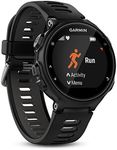
Buying Guide for the Best Running GPS Trackers
Choosing the right running GPS tracker can significantly enhance your running experience by providing accurate data on your performance, helping you track your progress, and keeping you motivated. When selecting a GPS tracker, it's important to consider various specifications that align with your running goals and personal preferences. Here are some key specs to look out for and how to choose the best fit for you.GPS AccuracyGPS accuracy determines how precisely the tracker can measure your location and distance covered. This is crucial for tracking your runs accurately and analyzing your performance. GPS accuracy can vary based on the quality of the GPS chip and the number of satellites the device can connect to. High-end models typically offer better accuracy, which is important for serious runners who need precise data. For casual runners, a standard level of accuracy may suffice.
Battery LifeBattery life indicates how long the tracker can operate on a single charge. This is important because it affects how often you'll need to recharge the device, especially on long runs or multi-day events. Battery life can range from a few hours to several days. If you are a marathon runner or enjoy long-distance running, look for a tracker with extended battery life. For shorter runs or daily use, a moderate battery life may be adequate.
Heart Rate MonitoringHeart rate monitoring measures your heart rate in real-time, providing insights into your cardiovascular health and workout intensity. This feature is important for runners who want to optimize their training and ensure they are working out within their target heart rate zones. Some trackers use optical sensors on the wrist, while others may require a chest strap for more accurate readings. Choose a tracker with heart rate monitoring if you are focused on improving your fitness levels and monitoring your health.
Water ResistanceWater resistance indicates how well the tracker can withstand exposure to water, such as sweat, rain, or even swimming. This is important for runners who train in various weather conditions or who want to use the tracker for other water-based activities. Water resistance is usually rated in meters or ATM (atmospheres). For most runners, a water resistance rating of 5 ATM (50 meters) is sufficient, but if you plan to swim with the tracker, look for higher ratings.
Connectivity and CompatibilityConnectivity and compatibility refer to how well the tracker can sync with other devices and apps, such as smartphones, fitness apps, and other wearables. This is important for analyzing your data, sharing your progress, and integrating with your existing fitness ecosystem. Look for trackers that offer Bluetooth or Wi-Fi connectivity and are compatible with popular fitness apps. If you are tech-savvy and enjoy detailed data analysis, prioritize trackers with robust connectivity options.
Display and InterfaceThe display and interface determine how easy it is to view and interact with the tracker's data. This is important for quickly accessing information during your run and navigating the device's features. Displays can range from simple monochrome screens to full-color touchscreens. If you prefer a straightforward, easy-to-read display, a basic screen may be sufficient. For those who want more detailed visuals and interactive features, a color touchscreen is ideal.
Additional FeaturesAdditional features can include things like music storage, smart notifications, and advanced metrics like VO2 max and recovery time. These features can enhance your running experience and provide more comprehensive data. Consider what additional features are important to you based on your running goals and lifestyle. For example, if you enjoy listening to music while running, look for a tracker with music storage. If you are focused on performance, advanced metrics may be beneficial.