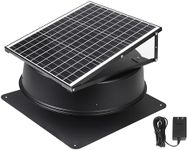
Buying Guide for the Best Roof Mounted Solar Attic Fans
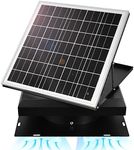
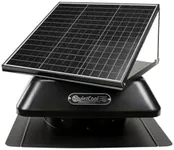
Choosing the right roof-mounted solar attic fan can significantly improve the ventilation in your attic, reduce cooling costs, and extend the life of your roof. When selecting a solar attic fan, it's important to consider several key specifications to ensure you get the best fit for your needs. Understanding these specifications will help you make an informed decision and choose a fan that effectively meets your requirements.Solar Panel WattageThe solar panel wattage indicates the power output of the solar panel that powers the attic fan. This is important because it determines how efficiently the fan will operate, especially during peak sunlight hours. Solar panels typically range from 10 watts to 40 watts or more. Higher wattage panels will generate more power, allowing the fan to run more effectively and for longer periods. If you live in an area with abundant sunlight, a higher wattage panel may be beneficial. Conversely, if your region has less sunlight, a lower wattage panel might suffice.
Airflow Capacity (CFM)Airflow capacity, measured in cubic feet per minute (CFM), indicates how much air the fan can move. This is crucial for determining the fan's effectiveness in ventilating your attic. Fans typically range from 800 CFM to over 1600 CFM. Higher CFM ratings mean more air movement, which is ideal for larger attics or areas with significant heat buildup. For smaller attics or less intense heat, a lower CFM rating may be adequate. Consider the size of your attic and the level of ventilation needed when choosing the airflow capacity.
Fan SizeThe size of the fan itself can impact its performance and installation. Larger fans generally move more air and can be more effective in ventilating larger spaces. Common sizes range from 12 inches to 20 inches in diameter. If you have a large attic, a bigger fan may be necessary to ensure adequate ventilation. For smaller attics, a smaller fan might be sufficient and easier to install. Assess the dimensions of your attic and the space available for installation to determine the appropriate fan size.
Noise LevelNoise level is an important consideration, especially if your attic is near living spaces. Some fans can be quite loud, while others are designed to operate quietly. Noise levels are typically measured in decibels (dB). Quieter fans usually have noise levels below 50 dB, while louder fans can exceed 60 dB. If noise is a concern, look for fans specifically marketed as quiet or with lower dB ratings. Consider the proximity of the attic to bedrooms or living areas when evaluating noise levels.
Durability and MaterialThe durability and material of the fan are important for ensuring long-term performance and resistance to weather conditions. Common materials include plastic, aluminum, and stainless steel. Stainless steel and aluminum fans are generally more durable and resistant to rust and corrosion, making them suitable for harsh weather conditions. Plastic fans may be lighter and less expensive but might not offer the same level of durability. Consider the climate in your area and the longevity you expect from the fan when choosing the material.
Installation EaseEase of installation can vary significantly between different models. Some fans come with detailed instructions and all necessary hardware, making them easier to install, while others may require professional installation. If you are comfortable with DIY projects, look for fans that are marketed as easy to install with clear instructions. If not, you might want to consider the cost and availability of professional installation services. Assess your own skill level and the complexity of the installation process when making your choice.
![[Upgrade Airflow] Hon&Guan Removabl](https://images-proxy.bestreviews.guide/LmowGObpZYLLWVRzjuaEOTmhHcQ=/0x150/https://m.media-amazon.com/images/I/41A92fonOTL._AC_CX679_.jpg)