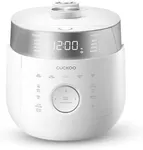
Buying Guide for the Best Rice Cooker
Choosing the right rice cooker can make a significant difference in your cooking experience. A rice cooker is a convenient kitchen appliance designed to cook rice perfectly every time. When selecting a rice cooker, it's important to consider various specifications to ensure it meets your needs and preferences. Here are some key specs to look out for and how to navigate them.CapacityCapacity refers to the amount of rice the cooker can handle, usually measured in cups of uncooked rice. This is important because it determines how much rice you can cook at once. Rice cookers typically come in capacities ranging from 3 cups to 10 cups or more. If you have a small household or cook for one or two people, a smaller capacity (3-5 cups) should suffice. For larger families or if you often entertain guests, a larger capacity (6-10 cups) would be more appropriate. Consider your usual cooking needs and choose a capacity that matches your lifestyle.
Cooking FunctionsModern rice cookers often come with multiple cooking functions beyond just cooking rice, such as steaming, slow cooking, and even baking. These functions add versatility to the appliance, allowing you to prepare a variety of dishes. If you enjoy experimenting with different recipes or want an all-in-one appliance, look for a rice cooker with multiple cooking functions. If you primarily need it for cooking rice, a basic model with fewer functions may be sufficient.
Inner Pot MaterialThe inner pot material affects the cooking performance and ease of cleaning. Common materials include non-stick coating, stainless steel, and ceramic. Non-stick pots are easy to clean and prevent rice from sticking, but they may wear out over time. Stainless steel pots are durable and can handle high temperatures, but they may require more effort to clean. Ceramic pots offer a balance of non-stick properties and durability. Consider your preference for maintenance and durability when choosing the inner pot material.
Heating TechnologyHeating technology determines how evenly and efficiently the rice cooker cooks the rice. Basic models use conventional heating, which heats the bottom of the pot. More advanced models use induction heating or fuzzy logic technology, which provide more precise temperature control and even cooking. Induction heating uses electromagnetic fields to heat the entire pot, while fuzzy logic adjusts cooking parameters based on the type of rice and cooking conditions. If you want consistently perfect rice and are willing to invest in advanced technology, look for models with induction heating or fuzzy logic.
Keep Warm FunctionThe keep warm function maintains the temperature of the cooked rice until you're ready to serve it. This is important for convenience, especially if you prepare rice ahead of time. Basic models may keep rice warm for a few hours, while advanced models can maintain warmth for up to 24 hours. If you often cook rice in advance or have a busy schedule, a rice cooker with a long-lasting keep warm function will be beneficial.
Ease of CleaningEase of cleaning is an important consideration for any kitchen appliance. Look for rice cookers with removable and dishwasher-safe parts, such as the inner pot and lid. Non-stick inner pots are generally easier to clean, but they may require gentle handling to avoid damaging the coating. Stainless steel and ceramic pots may need more effort to clean but are more durable. Consider how much time and effort you're willing to spend on cleaning when choosing a rice cooker.
Size and DesignThe size and design of the rice cooker can affect how it fits in your kitchen and how easy it is to store. Compact models are ideal for small kitchens or limited counter space, while larger models may offer more features but require more space. Additionally, consider the design and aesthetics of the rice cooker, as it should complement your kitchen decor. Choose a size and design that fits your kitchen layout and personal style.