Buying Guide for the Best Residential Water Pressure Regulators
Choosing the right residential water pressure regulator is essential for maintaining a consistent and safe water pressure in your home. A water pressure regulator helps to protect your plumbing system from high pressure that can cause leaks, bursts, and damage to appliances. When selecting a water pressure regulator, it's important to consider several key specifications to ensure it meets your household needs. Here are the key specs to look out for and how to navigate them.Pressure RangeThe pressure range indicates the minimum and maximum water pressure that the regulator can handle. This is important because it ensures that the regulator can maintain a safe and consistent pressure within your plumbing system. Typically, residential water pressure should be between 40 to 60 psi (pounds per square inch). If your household has high water pressure, you might need a regulator that can handle up to 100 psi. Conversely, if your water pressure is low, ensure the regulator can operate effectively at lower pressures. Choose a pressure range that aligns with your home's water pressure requirements.
MaterialWater pressure regulators are commonly made from materials like brass, stainless steel, or plastic. The material is important because it affects the durability and longevity of the regulator. Brass and stainless steel are more durable and resistant to corrosion, making them ideal for long-term use. Plastic regulators are generally less expensive but may not last as long. If you live in an area with corrosive water or need a long-lasting solution, opt for brass or stainless steel. For less demanding applications, plastic may suffice.
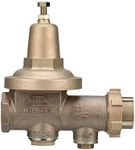
AdjustabilityAdjustability refers to the ability to change the output pressure of the regulator. This is important because it allows you to customize the water pressure to suit your household needs. Some regulators come with a preset pressure, while others allow you to adjust the pressure manually. If you prefer having control over your water pressure, look for a regulator with an adjustable feature. This is particularly useful if you have varying water pressure needs or if you plan to use the regulator in different settings.
Flow RateThe flow rate is the amount of water that can pass through the regulator, usually measured in gallons per minute (GPM). This is important because it affects the water supply to your home. A higher flow rate ensures that you have sufficient water pressure even when multiple fixtures are in use. For a typical household, a flow rate of 10-15 GPM is usually adequate. If you have a larger home or higher water usage, you may need a regulator with a higher flow rate. Choose a flow rate that matches your household's water consumption patterns.
Size and CompatibilityThe size of the water pressure regulator and its compatibility with your existing plumbing system are crucial. Regulators come in various sizes, typically measured by the diameter of the inlet and outlet connections (e.g., 1/2 inch, 3/4 inch). This is important because the regulator must fit your plumbing pipes to function correctly. Check the size of your existing pipes and ensure the regulator you choose is compatible. If you're unsure, consult a plumber to determine the appropriate size for your system.