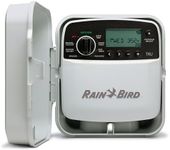
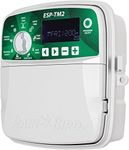
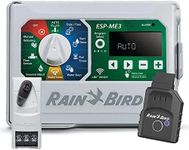
Buying Guide for the Best Rain Bird WiFi Irrigation Controllers
Choosing the right Rain Bird WiFi irrigation controller can make a significant difference in the efficiency and convenience of your irrigation system. These controllers allow you to manage your watering schedule remotely, ensuring your plants get the right amount of water while saving you time and effort. To make an informed decision, it's important to understand the key specifications and how they align with your specific needs.ZonesThe number of zones refers to the different areas of your garden or lawn that can be watered independently. This is important because different plants and areas may have different watering needs. Controllers typically range from 4 to 16 zones. If you have a small garden, a controller with fewer zones will suffice. For larger gardens with diverse plant types, opt for a controller with more zones to ensure each area gets the appropriate amount of water.
WiFi ConnectivityWiFi connectivity allows you to control your irrigation system remotely using a smartphone or computer. This is crucial for convenience and flexibility, especially if you travel frequently or have a busy schedule. Ensure the controller has a strong and reliable WiFi connection. Some models offer dual-band connectivity (2.4 GHz and 5 GHz), which can provide a more stable connection. Choose a model that supports the WiFi network in your home for seamless operation.
Weather SensingWeather sensing technology adjusts the watering schedule based on real-time weather data, preventing overwatering or underwatering. This feature is important for water conservation and maintaining healthy plants. Controllers with advanced weather sensing can access local weather forecasts and make automatic adjustments. If you live in an area with variable weather conditions, this feature can be particularly beneficial. Look for models that offer integration with weather services for the most accurate adjustments.
Smart Home IntegrationSmart home integration allows your irrigation controller to work with other smart devices in your home, such as voice assistants (Amazon Alexa, Google Assistant) and smart home hubs. This can enhance convenience and automation. If you already have a smart home ecosystem, choose a controller that is compatible with your existing devices. This will allow you to control your irrigation system using voice commands or integrate it into your home automation routines.
Ease of Installation and UseEase of installation and use refers to how simple it is to set up and operate the controller. This is important for ensuring you can get your system up and running without professional help. Look for controllers with clear instructions, user-friendly interfaces, and intuitive mobile apps. If you are not particularly tech-savvy, opt for a model known for its straightforward setup process and easy-to-navigate controls.
Scheduling FlexibilityScheduling flexibility allows you to create customized watering schedules based on your specific needs. This is important for optimizing water usage and ensuring your plants receive the right amount of water at the right times. Controllers with flexible scheduling options let you set different schedules for each zone, adjust watering times, and create seasonal adjustments. If you have a variety of plants with different watering requirements, choose a controller that offers detailed and customizable scheduling options.