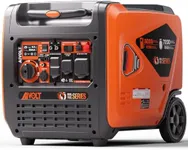
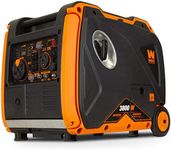
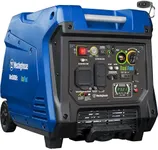
Buying Guide for the Best Quiet Inverter Generators
When choosing a quiet inverter generator, it's important to consider several key specifications to ensure you get the best fit for your needs. Inverter generators are known for their efficiency, quiet operation, and ability to produce clean power, making them ideal for sensitive electronics and various outdoor activities. Understanding the key specs will help you make an informed decision and select a generator that meets your specific requirements.Noise LevelThe noise level of a generator is measured in decibels (dB) and indicates how loud the generator will be during operation. This spec is crucial if you plan to use the generator in noise-sensitive environments like campsites, residential areas, or during outdoor events. Generally, a noise level below 60 dB is considered quiet. For comparison, normal conversation is about 60 dB. If you need a generator for camping or tailgating, look for models with noise levels around 50-60 dB. For home backup or construction sites, slightly higher noise levels might be acceptable.
Power OutputPower output is measured in watts and indicates how much electrical power the generator can produce. This is important because it determines what and how many devices you can run simultaneously. Inverter generators typically range from 1,000 to 4,000 watts. For light use, such as charging small electronics or running a few lights, a generator with 1,000-2,000 watts should suffice. For more demanding applications like running multiple appliances or power tools, consider a generator with 3,000-4,000 watts. Assess your power needs by listing the wattage requirements of the devices you plan to use.
Fuel EfficiencyFuel efficiency refers to how long a generator can run on a specific amount of fuel. This is important for both convenience and cost-effectiveness, especially during extended use. Inverter generators are generally more fuel-efficient than conventional generators. Look for models that offer longer run times on a single tank of fuel. For example, a generator that can run for 8-10 hours on a gallon of fuel is considered highly efficient. If you need a generator for long-term use, such as during power outages or camping trips, prioritize fuel efficiency to minimize refueling frequency.
PortabilityPortability refers to how easy it is to move and transport the generator. This is important if you plan to use the generator in multiple locations or need to store it when not in use. Inverter generators are typically more compact and lighter than conventional generators. Look for models with built-in handles or wheels for easier transportation. If you need a generator for camping, tailgating, or other mobile activities, prioritize lightweight and compact models. For home use, portability might be less critical, but still consider ease of storage.
Parallel CapabilityParallel capability allows you to connect two inverter generators together to double the power output. This is important if you anticipate needing more power in the future but want to start with a smaller, more affordable unit. Not all inverter generators have this feature, so check the specifications if this is important to you. If you have fluctuating power needs or plan to expand your power capacity later, look for models with parallel capability. This feature is particularly useful for RV owners or those who need flexible power solutions.
Clean PowerClean power refers to the quality of the electrical output, specifically the stability and consistency of the voltage and frequency. This is crucial for powering sensitive electronics like laptops, smartphones, and medical devices, as fluctuations can cause damage. Inverter generators are known for producing clean power with low Total Harmonic Distortion (THD), typically below 3%. If you plan to use the generator for sensitive electronics, prioritize models with low THD. For general use, clean power is still beneficial as it ensures the safe operation of all connected devices.