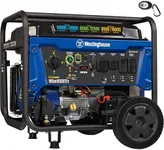
Buying Guide for the Best Quiet Generators For Home Use
Choosing a quiet generator for home use involves understanding your power needs, the noise levels you can tolerate, and the features that will make the generator convenient and safe to use. A quiet generator can be a great asset during power outages, camping trips, or any situation where you need a reliable power source without the loud noise typically associated with generators. Here are some key specifications to consider when selecting a quiet generator for home use.Noise Level (dB)The noise level of a generator is measured in decibels (dB). This spec is crucial because it determines how loud the generator will be when in operation. Generators typically range from 50 dB to 80 dB. For home use, especially in residential areas, a noise level below 60 dB is generally considered quiet and acceptable. If you need a generator for camping or other quiet environments, aim for a model that operates at 50 dB or lower. Consider your tolerance for noise and the proximity of neighbors when choosing the right noise level for your needs.
Power Output (Watts)Power output, measured in watts, indicates how much electrical power the generator can produce. This is important because it determines what appliances and devices you can run simultaneously. Generators can range from 1,000 watts to over 10,000 watts. For basic home use, such as running a few lights, a refrigerator, and a TV, a generator with 2,000 to 3,000 watts should suffice. If you need to power more demanding appliances like air conditioners or multiple large devices, you may need a generator with 5,000 watts or more. Assess your power needs by listing the essential devices you want to run during an outage.
Fuel TypeGenerators can run on various types of fuel, including gasoline, propane, and diesel. The fuel type affects the generator's efficiency, cost of operation, and convenience. Gasoline generators are common and easy to refuel but can be noisy and require regular maintenance. Propane generators are quieter and have a longer shelf life for the fuel, making them a good choice for infrequent use. Diesel generators are efficient and durable but tend to be louder and more expensive. Choose a fuel type based on availability, storage, and how often you plan to use the generator.
PortabilityPortability refers to how easy it is to move the generator around. This is important if you need to transport the generator to different locations or store it when not in use. Portable generators typically have wheels and handles for easy movement. They can range from lightweight models under 50 pounds to heavier units over 200 pounds. If you plan to use the generator for camping or outdoor activities, a lightweight and compact model is ideal. For home backup power, a larger, more powerful generator with wheels for mobility may be more suitable.
Run TimeRun time indicates how long the generator can operate on a full tank of fuel. This is important for ensuring continuous power during extended outages. Run times can vary from a few hours to over 12 hours, depending on the generator's fuel efficiency and tank size. For home use, a generator with a run time of at least 8 hours at half load is generally sufficient, as it can cover overnight use without needing a refill. Consider how long you need the generator to run and how often you are willing to refuel it when choosing the right run time for your needs.
Inverter TechnologyInverter technology allows generators to produce cleaner and more stable power, which is important for sensitive electronics like computers and smartphones. Inverter generators are typically quieter and more fuel-efficient than conventional generators. They adjust the engine speed to match the power demand, reducing noise and fuel consumption. If you plan to power sensitive devices or need a quieter, more efficient generator, an inverter generator is a good choice. However, they tend to be more expensive, so weigh the benefits against your budget and power needs.
Safety FeaturesSafety features are crucial for preventing accidents and ensuring safe operation. Look for generators with features like automatic shutoff for low oil levels, overload protection, and carbon monoxide detectors. These features help protect the generator from damage and prevent hazards like fires or carbon monoxide poisoning. For home use, especially if you have children or pets, prioritize generators with comprehensive safety features to ensure peace of mind during operation.