We Use CookiesWe use cookies to enhance the security, performance, functionality and for analytical and promotional activities. By continuing to browse this site you are agreeing to our privacy policy

Best Pull Down Projector Screens

From leading brands and best sellers available on the web.
#1

Winner

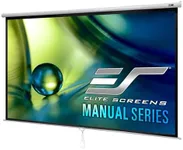
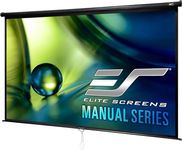
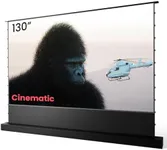
Elite Screens Manual Series, 106-IN

Elite Screens

Elite Screens Manual Series, 106-INCH 16:9, Pull Down Manual Projector Screen with AUTO LOCK, Movie Home Theater 8K / 4K Ultra HD 3D Ready, 2-YEAR WARRANTY, M106UWH, Black

View on Amazon
#2
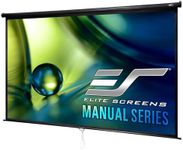
Elite Screens Manual Series, 150-IN

Elite Screens

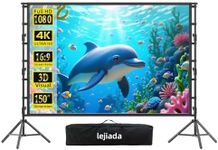
Elite Screens Manual Series, 150-INCH 16:9, Pull Down Manual Projector Screen with AUTO LOCK, Movie Home Theater 8K / 4K Ultra HD 3D Ready, 2-YEAR WARRANTY, M150XWH2,White
View on Amazon
#3
Elite Screens Manual Series, 120-IN

Elite Screens

Elite Screens Manual Series, 120-INCH 16:9, Pull Down Manual Projector Screen with AUTO LOCK, Movie Home Theater 8K / 4K Ultra HD 3D Ready, 2-YEAR WARRANTY, M120UWH2

View on Amazon
#4
Elite Screens Manual Series, 120-IN

Elite Screens

Elite Screens Manual Series, 120-INCH 16:9, Pull Down Manual Projector Screen with AUTO LOCK, Movie Home Theater 8K / 4K Ultra HD 3D Ready, 2-YEAR WARRANTY, M120XWH2
View on Amazon
#5
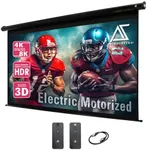
Akia Screens 110" Motorized Project

AKIA SCREENS

5%OFF

Akia Screens 110" Motorized Projector Screen 16:9, 8K/4K HD, Electric Drop Down with Remote, Ceiling or Wall Mount, AK-MOTORIZE110H2

View on Amazon
#6
Elite Screens Manual Series, 100-IN

Elite Screens

8%OFF

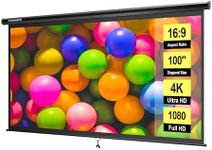
Elite Screens Manual Series, 100-INCH 16:9, Pull Down Manual Projector Screen with AUTO LOCK, Movie Home Theater 8K / 4K Ultra HD 3D Ready, 2-YEAR WARRANTY, M100UWH, 16:9, Black

View on Amazon
#7
Elite Screens Manual Series, 92-INC

Elite Screens

Elite Screens Manual Series, 92-INCH Pull Down Manual Projector Screen with AUTO LOCK, Movie Home Theater 8K / 4K Ultra HD 3D Ready, 2-YEAR WARRANTY, M92UWH, 16:9, Black

View on Amazon
#8
Elite Screens Manual B, 120-INCH 16

Elite Screens

Elite Screens Manual B, 120-INCH 16:9, Manual Pull Down Projector Screen 4K / 8K Ultra HDR 3D Ready with Slow Retract Mechanism, 2-Year Warranty, M120H
View on Amazon
#9
Akia Screens 104 inch Motorized Ele

AKIA SCREENS

35%OFF

Akia Screens 104 inch Motorized Electric Remote Controlled Drop Down Projector Screen 4:3 8K 4K HD 3D Retractable Ceiling Wall Mount Office Home Movie Theater AK-MOTORIZE104VW

View on Amazon
#10
Elite Screens Manual Pull Down Proj

Elite Screens

38%OFF

Elite Screens Manual Pull Down Projector Screen 120-INCH Home Movie Cinema Gaming Office Presentation, ISF Certified, Auto-Lock Mechanism, 4K / 8K 3D Ultra HDR HD Ready, M120H

View on Amazon
How do we rank products for you?

Our technology thoroughly searches through the online shopping world, reviewing hundreds of sites. We then process and analyze this information, updating in real-time to bring you the latest top-rated products. This way, you always get the best and most current options available.

headphones-stars

Most Popular Categories Right Now

Buying Guide for the Best Pull Down Projector Screens

Choosing the right pull-down projector screen can significantly enhance your viewing experience, whether it's for home theater, office presentations, or classroom use. The key is to understand the various specifications and how they align with your specific needs. Here are the main factors to consider when selecting a pull-down projector screen.
Screen SizeScreen size refers to the diagonal measurement of the screen, usually in inches. This is important because it determines how large the projected image will be. Screen sizes can range from small (around 60 inches) to very large (over 150 inches). To choose the right size, consider the size of your room and the distance from which viewers will be watching. For smaller rooms, a screen size of 60-80 inches might be sufficient, while larger rooms can accommodate screens of 100 inches or more.
Aspect RatioAspect ratio is the ratio of the width to the height of the screen. Common aspect ratios include 4:3, 16:9, and 16:10. This spec is important because it affects how the content will be displayed. For example, 4:3 is typically used for older TV shows and presentations, 16:9 is the standard for most modern movies and TV shows, and 16:10 is often used for computer displays. Choose an aspect ratio that matches the content you plan to view most frequently.
Screen MaterialScreen material affects the quality of the projected image. Common materials include matte white, high contrast, and glass bead. Matte white screens are versatile and provide good image quality in various lighting conditions. High contrast screens enhance black levels and are good for rooms with some ambient light. Glass bead screens reflect more light and are suitable for darker rooms. Consider the lighting conditions of your viewing environment when selecting the screen material.
GainGain measures the reflectivity of the screen surface, indicating how much light it reflects back to the audience. A gain of 1.0 means the screen reflects light evenly in all directions. Higher gain screens (above 1.0) reflect more light directly back to the audience, making the image appear brighter, which is useful in rooms with ambient light. Lower gain screens (below 1.0) diffuse light more, which can help reduce glare and hot spots. Choose a gain that matches your room's lighting conditions and seating arrangement.
Viewing AngleViewing angle is the maximum angle at which the screen can be viewed with acceptable visual performance. A wider viewing angle means the image remains clear and bright even when viewed from the side. This is important for rooms where viewers will be seated at various angles to the screen. For home theaters or classrooms where viewers are spread out, a screen with a wide viewing angle (around 160 degrees or more) is ideal. For smaller, more focused viewing areas, a narrower viewing angle may suffice.
Installation and MountingInstallation and mounting refer to how the screen is set up and secured in place. Pull-down screens can be mounted on walls or ceilings. Consider the space where you plan to install the screen and ensure you have the necessary hardware and support. Some screens come with easy-to-install mounting brackets, while others may require more complex installation. Choose a screen that fits your installation skills and the physical constraints of your space.