Buying Guide for the Best Professional Panini Presses
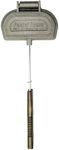
Choosing the right professional panini press can make a significant difference in your kitchen, whether you're running a café, a restaurant, or just love making gourmet sandwiches at home. The key is to understand the various features and specifications that can affect performance, ease of use, and the quality of the food you prepare. By focusing on these key specs, you can find a panini press that best fits your needs and preferences.Plate MaterialThe plate material of a panini press is crucial because it affects heat distribution, cooking time, and the ease of cleaning. Common materials include cast iron, non-stick, and stainless steel. Cast iron plates retain heat well and provide even cooking but require seasoning and more maintenance. Non-stick plates are easier to clean and require less oil, making them ideal for quick and easy use, but they may not last as long. Stainless steel plates are durable and provide good heat distribution but can be harder to clean. Choose based on your cooking habits and maintenance preferences.
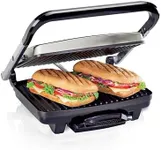
Plate ConfigurationPlate configuration refers to whether the plates are flat, ribbed, or a combination of both. Flat plates are great for even cooking and are easier to clean, making them suitable for a variety of foods beyond sandwiches. Ribbed plates create grill marks and can add a nice texture to your paninis, but they can be harder to clean. Combination plates offer versatility, allowing you to switch between flat and ribbed surfaces. Consider what types of food you plan to cook and how much versatility you need.
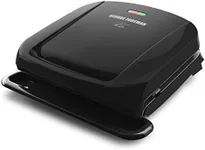
Size and Cooking SurfaceThe size and cooking surface of a panini press determine how many sandwiches or items you can cook at once. Smaller presses are more compact and easier to store, making them ideal for home use or small kitchens. Larger presses with bigger cooking surfaces are better for commercial use or for cooking multiple items simultaneously. Think about your typical cooking volume and kitchen space when choosing the size.
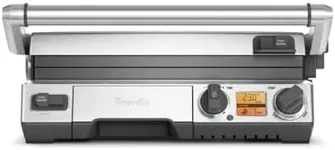
Temperature ControlTemperature control is important for achieving the perfect cook on your paninis and other foods. Some presses come with adjustable temperature settings, allowing you to cook different types of food at the optimal temperature. Basic models may have a fixed temperature, which can be limiting. If you plan to cook a variety of foods or need precise control over cooking, look for a model with adjustable temperature settings.
Heat-Up TimeHeat-up time refers to how quickly the panini press reaches the desired cooking temperature. Faster heat-up times are convenient, especially in a busy kitchen or commercial setting where time is of the essence. If you need to prepare food quickly or have a high turnover, look for a press with a shorter heat-up time. For occasional use, a longer heat-up time may not be as critical.
Ease of CleaningEase of cleaning is an important factor, especially if you use the panini press frequently. Removable plates can make cleaning much easier, as they can be taken out and washed separately. Non-stick surfaces also simplify cleaning but may require more careful handling to avoid damage. Consider how much time you want to spend on maintenance and choose a model that aligns with your cleaning preferences.
Durability and Build QualityDurability and build quality are essential for ensuring that your panini press lasts a long time, especially in a commercial setting. Look for models made with high-quality materials and sturdy construction. Stainless steel bodies and heavy-duty hinges are indicators of a durable press. If you plan to use the press frequently or in a professional environment, investing in a well-built model will save you money and hassle in the long run.