Buying Guide for the Best Predator Calls
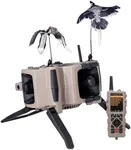
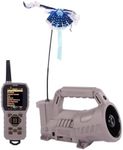
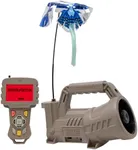
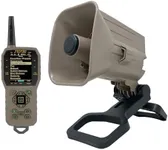
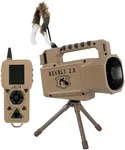
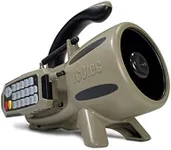
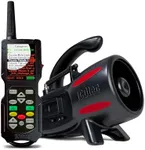
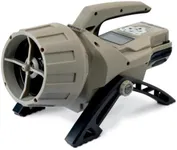
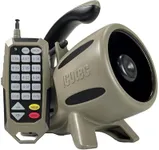
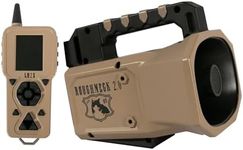
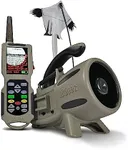
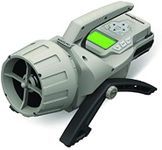
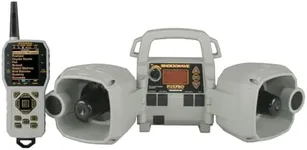
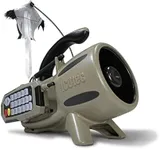
Choosing the right predator call can significantly enhance your hunting experience by attracting the target animal effectively. Predator calls come in various types and with different features, so it's important to understand what each spec means and how it can impact your hunting success. By considering your specific needs and the environment in which you'll be hunting, you can select a predator call that best suits your requirements.Type of CallPredator calls come in two main types: mouth calls and electronic calls. Mouth calls require you to blow into them to produce sound, giving you more control over the call's tone and volume. They are lightweight and don't require batteries, making them ideal for hunters who prefer a more hands-on approach. Electronic calls, on the other hand, use pre-recorded sounds and are operated with a remote control. They can produce a wide range of sounds and are easier to use, especially for beginners. Choose a mouth call if you want more control and don't mind the effort, or an electronic call if you prefer convenience and versatility.
Sound QualitySound quality is crucial because it determines how realistic the call sounds to the predator. High-quality calls produce clear, natural sounds that can effectively mimic the distress calls of prey animals or the calls of other predators. When evaluating sound quality, listen for clarity, volume, and the ability to produce a variety of sounds. If you're hunting in areas with high hunting pressure, a call with superior sound quality can make a significant difference in attracting wary predators. Opt for a call with excellent sound quality if you want to maximize your chances of success.
Volume ControlVolume control allows you to adjust the loudness of the call, which is important for different hunting situations. In open areas, you may need a louder call to reach distant predators, while in dense cover, a softer call might be more effective. Some calls offer multiple volume settings, while others have a single fixed volume. If you hunt in varied environments, a call with adjustable volume is beneficial. Choose a call with volume control if you need flexibility in different hunting scenarios.
DurabilityDurability refers to how well the predator call can withstand the elements and rough handling. Hunting often involves exposure to harsh weather conditions, so a durable call made from high-quality materials is essential. Look for calls that are water-resistant, impact-resistant, and have a sturdy construction. If you frequently hunt in challenging environments, prioritize durability to ensure your call remains functional over time.
Ease of UseEase of use is important, especially for beginners. A predator call should be simple to operate, with intuitive controls and clear instructions. Electronic calls with remote controls can be particularly user-friendly, allowing you to operate the call from a distance. Mouth calls may require some practice to master, but they offer greater control once you become proficient. Consider your skill level and how much time you're willing to invest in learning to use the call when making your choice.
PortabilityPortability is a key factor if you need to carry the call over long distances or through difficult terrain. Mouth calls are generally more portable due to their small size and lightweight design. Electronic calls can be bulkier and heavier, especially if they come with additional accessories like speakers and remotes. If you prioritize mobility and ease of transport, a compact and lightweight call is ideal. Choose a portable call if you need to travel light and cover a lot of ground during your hunts.