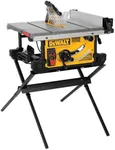
Buying Guide for the Best Portable Table Saws With Stand
Choosing the right portable table saw with a stand can make a significant difference in your woodworking projects. These tools are essential for making precise cuts and are designed to be easily transported to different job sites. When selecting a portable table saw, it's important to consider several key specifications to ensure you get the best fit for your needs. Understanding these specs will help you make an informed decision and find a saw that meets your requirements for performance, convenience, and safety.Motor PowerMotor power is measured in horsepower (HP) or amps and determines how efficiently the saw can cut through different materials. Higher power motors can handle tougher materials and make smoother cuts. For general woodworking, a motor with 1.5 to 2 HP or 15 amps is usually sufficient. If you plan to work with harder woods or thicker materials, consider a more powerful motor.
Blade SizeThe blade size, typically measured in inches, affects the depth and type of cuts you can make. Common blade sizes for portable table saws are 10 inches, which is versatile for most woodworking tasks. Larger blades can make deeper cuts but may add to the weight and bulk of the saw. Choose a blade size based on the types of projects you plan to undertake.
Rip CapacityRip capacity refers to the maximum width of material that can be cut using the saw. This is important for cutting larger pieces of wood. Portable table saws usually offer rip capacities ranging from 24 to 32 inches. If you frequently work with wide boards or sheet materials, opt for a saw with a larger rip capacity.
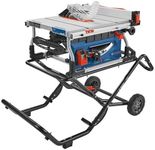
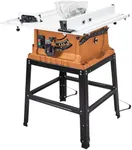
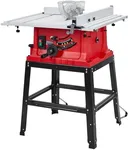
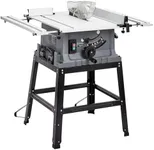
Stand QualityThe stand provides stability and support for the saw during use. A good stand should be sturdy, easy to set up, and portable. Look for stands with adjustable legs, wheels for easy transport, and a solid locking mechanism. The quality of the stand can greatly affect the overall usability and safety of the saw.
Fence SystemThe fence system helps guide the wood during cutting to ensure straight and accurate cuts. A reliable fence should be easy to adjust and lock securely in place. Look for fences with smooth sliding mechanisms and clear measurement markings. A good fence system is crucial for precision work.
Safety FeaturesSafety features are essential to prevent accidents and injuries. Common safety features include blade guards, anti-kickback pawls, and riving knives. These components help protect you from the blade and ensure the wood moves smoothly through the saw. Always prioritize saws with comprehensive safety features to ensure safe operation.
PortabilityPortability is a key factor for a portable table saw. Consider the weight of the saw and the ease of transporting it. Features like foldable stands, wheels, and handles can make a saw more portable. If you need to move the saw frequently between job sites, choose a model that is lightweight and easy to transport.
Dust CollectionDust collection systems help keep your workspace clean and reduce airborne particles. Look for saws with built-in dust ports that can connect to a vacuum or dust collection system. Effective dust collection is important for maintaining a clean work environment and protecting your health.