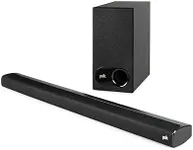
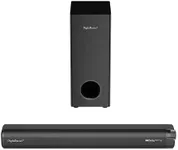
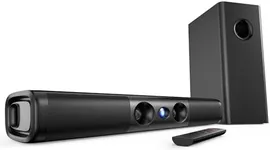
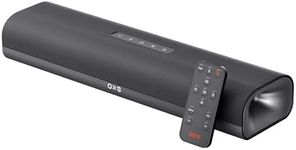
Buying Guide for the Best Polk Soundbars
When choosing a soundbar, it's important to consider several key specifications to ensure you get the best audio experience for your needs. Soundbars are designed to enhance your TV's audio quality, providing clearer dialogue, richer sound, and a more immersive experience. By understanding the key specs, you can make an informed decision and select a soundbar that fits your preferences and requirements.Audio ChannelsAudio channels refer to the number of separate audio tracks that the soundbar can play. Common configurations include 2.0, 2.1, 3.1, 5.1, and even 7.1 channels. A 2.0 channel soundbar has two speakers (left and right), while a 2.1 channel adds a subwoofer for enhanced bass. Higher numbers like 5.1 and 7.1 include additional speakers for surround sound. If you want a simple upgrade from your TV's speakers, a 2.0 or 2.1 channel soundbar may suffice. For a more immersive home theater experience, consider a 5.1 or 7.1 channel soundbar.
SubwooferA subwoofer is a speaker dedicated to reproducing low-frequency sounds, such as bass and sub-bass. Some soundbars come with a built-in subwoofer, while others include a separate, often wireless, subwoofer. A subwoofer is important if you enjoy watching action movies, listening to music with deep bass, or playing video games, as it adds depth and richness to the audio. If you have limited space or prefer a cleaner setup, a soundbar with a built-in subwoofer might be a better choice.
Connectivity OptionsConnectivity options determine how you can connect the soundbar to your TV and other devices. Common connections include HDMI ARC (Audio Return Channel), optical, Bluetooth, and Wi-Fi. HDMI ARC provides the best audio quality and allows for easy control with your TV remote. Optical connections are also good for high-quality audio. Bluetooth and Wi-Fi enable wireless streaming from your smartphone or other devices. Consider your existing devices and how you plan to use the soundbar when choosing connectivity options.
Sound ModesSound modes are preset audio settings that optimize the soundbar's performance for different types of content, such as movies, music, sports, and dialogue. These modes adjust the soundbar's equalizer settings to enhance specific audio elements. For example, a movie mode might emphasize surround sound effects, while a dialogue mode enhances speech clarity. If you watch a variety of content, look for a soundbar with multiple sound modes to ensure the best audio experience for each type of media.
Size and DesignThe size and design of the soundbar are important for both aesthetic and practical reasons. Soundbars come in various lengths and heights, so it's essential to choose one that fits well with your TV and room setup. A soundbar that is too long or too tall might block your TV's remote sensor or look out of place. Additionally, consider the design and finish of the soundbar to ensure it complements your home decor. Measure the space where you plan to place the soundbar and choose a model that fits comfortably.
Voice Control and Smart FeaturesSome soundbars come with built-in voice assistants like Amazon Alexa or Google Assistant, allowing you to control the soundbar and other smart home devices using voice commands. These smart features can add convenience and enhance your overall experience. If you already use a voice assistant or plan to integrate your soundbar into a smart home setup, look for a model with these capabilities. Otherwise, you might prefer a simpler soundbar without these additional features.