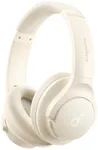
Buying Guide for the Best Over Ear Noise Cancelling Headphones
Choosing the right over-ear noise-cancelling headphones can significantly enhance your listening experience, whether you're commuting, working, or simply relaxing. The key is to understand the various specifications and how they align with your personal needs and preferences. Here are the main specs to consider when selecting the best over-ear noise-cancelling headphones for you.Noise CancellationNoise cancellation is a feature that reduces unwanted ambient sounds using active noise control. This is important because it allows you to enjoy your music or calls without being disturbed by external noise. Noise cancellation can vary from basic to advanced. Basic noise cancellation is suitable for quieter environments, while advanced noise cancellation is ideal for noisy places like airplanes or busy streets. Consider where you will be using the headphones most frequently to determine the level of noise cancellation you need.
Sound QualitySound quality refers to how well the headphones reproduce audio. This is crucial for an enjoyable listening experience. Sound quality can be subjective, but generally, you should look for headphones with a balanced sound profile, clear highs, mids, and deep bass. If you are an audiophile or someone who values high-fidelity sound, you might prefer headphones with a wider frequency range and high-resolution audio support. For casual listeners, a good balance of bass and treble will suffice.
Comfort and FitComfort and fit are essential for over-ear headphones, especially if you plan to wear them for extended periods. This spec is important because uncomfortable headphones can cause fatigue and discomfort. Look for headphones with adjustable headbands, cushioned ear cups, and lightweight designs. If you have larger or smaller ears, consider the size and shape of the ear cups to ensure a good fit. Trying on headphones before purchasing can help you determine the best comfort level for you.
Battery LifeBattery life indicates how long the headphones can operate on a single charge. This is important for ensuring that your headphones last through long listening sessions without needing frequent recharges. Battery life can range from a few hours to over 30 hours. If you travel frequently or use headphones for long periods, look for models with longer battery life. For occasional use, shorter battery life may be sufficient.
ConnectivityConnectivity refers to how the headphones connect to your devices, such as via Bluetooth or wired connections. This is important for compatibility and convenience. Bluetooth connectivity offers wireless freedom and is ideal for use with smartphones, tablets, and laptops. Some headphones also support multiple device pairing, which is useful if you switch between devices often. Wired connections can provide better sound quality and are useful if you prefer a stable connection without worrying about battery life. Consider your primary use case to decide which connectivity option suits you best.
Controls and FeaturesControls and features include the buttons and touch controls on the headphones, as well as additional functionalities like voice assistants, app support, and customizable sound settings. These are important for ease of use and enhancing your overall experience. Some headphones offer intuitive touch controls for adjusting volume, skipping tracks, and answering calls. Others may have dedicated buttons for activating noise cancellation or voice assistants. Think about which features are most important to you and how you prefer to interact with your headphones.
Build Quality and DurabilityBuild quality and durability refer to how well the headphones are constructed and how long they are likely to last. This is important for ensuring that your investment is protected and that the headphones can withstand daily wear and tear. Look for headphones made from high-quality materials like metal and durable plastics. Water and sweat resistance can also be beneficial if you plan to use the headphones during workouts or in various weather conditions. Consider your lifestyle and how you will use the headphones to determine the level of durability you need.