Buying Guide for the Best Outdoor Bug Zappers
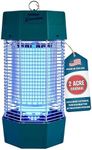
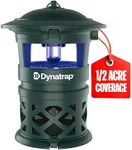
Choosing the right outdoor bug zapper can make spending time outside more enjoyable, especially during mosquito season. The main goal is to find a zapper that's effective, safe, and suitable for your outdoor space. As you shop, you should think about where you’ll place the zapper, the type of insects you want to control, and any safety features you might want if you have children or pets nearby. Understanding the key features will help you pick a zapper that fits your needs and makes your outdoor experience much more pleasant.Coverage AreaCoverage area refers to how much space the bug zapper can effectively protect from flying insects. It’s usually measured in square feet or meters, and is important because using a zapper that’s too small for your yard won’t get rid of bugs very well, while using one that’s too large might waste energy. Small patios or balconies often only need a compact model covering up to 500 square feet, medium-sized yards benefit from models in the 1000-2000 square foot range, and large open spaces need units rated for 3000 square feet or more. Think about the size of the area where you’ll use it most and choose a zapper with a coverage rating that matches or slightly exceeds your needs.
Voltage/Grid StrengthVoltage or grid strength describes how much power the zapper’s electrical grid uses to kill insects. Higher voltages are more effective at quickly eliminating larger and tougher bugs, but might be overkill for just mosquitoes or gnats, and can also make the zapper noisier. Low voltage (around 1000-1500V) is usually enough for most mosquitoes and small bugs, while mid-range (2000-2500V) is good for mixed insect problems. High voltage (3000V or more) is best if you have stubborn, large insects like moths or beetles. Base your choice on the types of insects that bother you most in your area.
Attractant Type (Light/Wavelength)Bug zappers often use UV light to lure insects in. The color or wavelength of the light matters because different pests are attracted to different wavelengths. Most zappers use blue or purple light around 365 nm, which is especially appealing to mosquitoes and many flying insects. Some zappers combine light with other attractants like octenol or CO2 for even more effectiveness. If you have trouble mainly with mosquitoes, look for a model with UV light in the 350-370 nm range, or with added attractants. If you want to keep things simple or avoid chemicals, a plain UV-only zapper might be best.
Weather Resistance/DurabilitySince your bug zapper will be outdoors, how well it stands up to the weather is crucial. Weather resistance means the zapper can handle rain, sun, and maybe even dust. Check for features like waterproof or water-resistant housing, rustproof materials, and a sturdy design. Light, plastic models might be good for temporary setups under cover, but for permanent outdoor use, look for zappers rated as weatherproof or with at least an IPX4 (splashproof) rating. If your area gets a lot of rain or strong sun, durability becomes even more important for a long-lasting zapper.
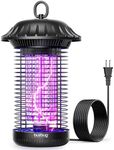
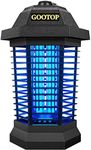
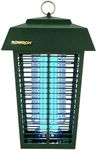
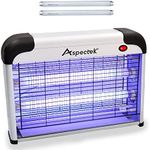
Safety FeaturesSafety features protect you, your children, and pets from accidental contact with the zapper’s electrical grid. Good zappers should have a protective outer mesh grid or cage, small enough to prevent little fingers or paws from reaching the electrified part. Some also have auto-shutoff switches if the unit tips over or is opened. If you have kids or pets, prioritize models with well-designed safety cages. If only adults will be nearby, you might not need as heavy-duty protection, but it’s still a good idea to pick a model with at least basic safety guards.
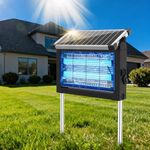
Mounting Options and PortabilityHow and where you plan to set up your bug zapper affects whether you’ll want a stationary or portable design. Some zappers can be hung from hooks, set on tables, or mounted to walls or poles. Portable, lightweight models make sense if you want to move the zapper between different locations or bring it camping, while larger, fixed units are better for steady placement in a yard or patio. Think about your space and how you’ll most often use the zapper; go for one that fits your setup preferences so you get the best results.
Ease of CleaningAfter the zapper does its job, dead bugs collect inside and need to be cleaned out. Some models have removable trays that you can simply empty, while others might require more disassembly. Frequent cleaning helps maintain performance and prevents bad odors. If you want low maintenance, pick a zapper with a pull-out collection tray or easily accessible catchment area, especially if you expect to use it often in a bug-heavy area.