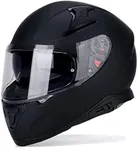
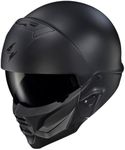
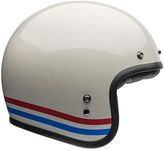
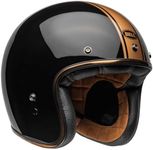
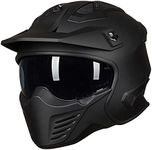
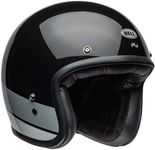
Buying Guide for the Best Open Face Motorcycle Helmets
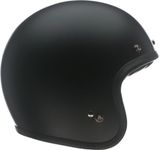
Choosing the right open-face motorcycle helmet is crucial for your safety and comfort while riding. Open-face helmets, also known as 3/4 helmets, provide protection for the top, sides, and back of your head while leaving your face exposed. This type of helmet is popular among riders who prefer a greater sense of freedom and visibility. When selecting an open-face helmet, it's important to consider several key specifications to ensure you get the best fit and protection for your needs.Safety CertificationsSafety certifications indicate that the helmet meets certain safety standards. Look for certifications such as DOT (Department of Transportation), ECE (Economic Commission for Europe), or Snell. These certifications ensure that the helmet has passed rigorous testing for impact resistance and other safety features. For most riders, a DOT-certified helmet is sufficient, but if you want additional assurance, consider helmets with ECE or Snell certifications.
Fit and ComfortThe fit and comfort of a helmet are crucial for long rides. A helmet should fit snugly without being too tight. It should sit evenly on your head and not move around when you shake your head. Helmets come in various sizes, so measure your head circumference and try on different sizes to find the best fit. Look for features like removable and washable liners, adjustable straps, and padding that conforms to your head shape for added comfort.
WeightThe weight of a helmet can affect your comfort, especially on long rides. Lighter helmets are generally more comfortable and cause less fatigue. Helmets typically range from around 2.5 to 4 pounds. If you plan on riding for extended periods, opt for a lighter helmet. However, ensure that the lighter weight does not compromise the helmet's safety and durability.
VentilationGood ventilation is important to keep you cool and comfortable, especially in hot weather. Look for helmets with multiple vents that allow air to flow through the helmet. Adjustable vents are a plus, as they let you control the airflow based on the weather conditions. Proper ventilation helps prevent fogging and keeps you comfortable during your ride.
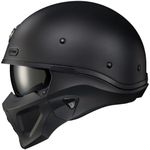
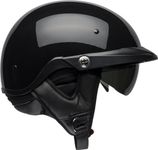
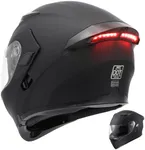
Visor and Face ShieldWhile open-face helmets leave your face exposed, many come with a visor or face shield to protect your eyes from wind, debris, and UV rays. Some helmets have a flip-up face shield, while others have a fixed visor. Consider your riding conditions and preferences when choosing a helmet with the appropriate visor or face shield. If you ride in varying light conditions, look for helmets with tinted or photochromic visors.
Noise ReductionWind noise can be a significant issue when riding, especially at high speeds. Some helmets are designed with noise reduction features, such as padded ear sections and aerodynamic shapes that reduce wind turbulence. If you are sensitive to noise or plan on long rides, look for helmets with good noise reduction capabilities to enhance your riding experience.
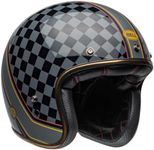
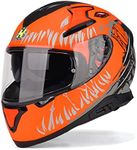
Style and DesignWhile safety and comfort are paramount, the style and design of the helmet are also important to many riders. Open-face helmets come in various designs, colors, and graphics. Choose a helmet that reflects your personal style and matches your motorcycle. However, never compromise safety for style. Ensure that the helmet meets all safety standards and fits well before considering its appearance.