Buying Guide for the Best Natural Gas Backup Generators
Choosing the right natural gas backup generator is crucial to ensure you have a reliable power source during outages. The right generator will depend on your specific needs, including the size of your home, the essential appliances you need to power, and how long you expect to be without electricity. Here are some key specifications to consider when selecting a natural gas backup generator, along with explanations to help you make an informed decision.Power Output (Wattage)Power output, measured in watts (W), indicates how much electricity the generator can produce. This is important because it determines how many and what types of appliances you can run simultaneously. Generators typically range from 5,000 to 20,000 watts. For small homes or essential appliances, a generator with 5,000 to 7,500 watts may suffice. For larger homes or to power more appliances, consider a generator with 10,000 to 20,000 watts. Assess your power needs by listing the wattage of essential appliances and adding them up to find the right generator size for you.
Fuel ConsumptionFuel consumption refers to how much natural gas the generator uses per hour of operation. This is important for understanding the operational cost and ensuring you have a sufficient gas supply. Fuel consumption is usually measured in cubic feet per hour (cfh). Lower consumption rates are more efficient and cost-effective. To choose the right one, consider how long you expect to run the generator during an outage and ensure your natural gas supply can meet this demand.
Run TimeRun time indicates how long the generator can operate continuously before needing maintenance or refueling. This is crucial for planning during extended power outages. Generators with longer run times are more convenient and require less frequent attention. Run times can vary from a few hours to several days. Choose a generator with a run time that matches the typical duration of power outages in your area and your ability to perform maintenance.
Noise LevelNoise level, measured in decibels (dB), indicates how loud the generator is during operation. This is important for comfort and compliance with local noise regulations. Generators can range from 50 dB (quiet) to over 80 dB (loud). If you live in a densely populated area or have close neighbors, a quieter generator (50-60 dB) is preferable. For more isolated locations, noise may be less of a concern, allowing for a louder generator if it meets other needs.
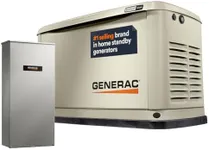
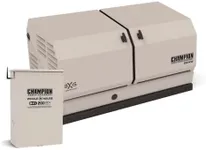
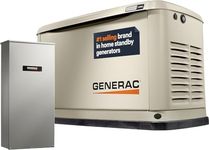
Automatic Transfer Switch (ATS)An Automatic Transfer Switch (ATS) automatically switches the power supply from the grid to the generator during an outage. This is important for convenience and ensuring a seamless transition without manual intervention. Some generators come with an ATS, while others require a separate purchase. If you want hassle-free operation and immediate power restoration, choose a generator with an ATS or ensure compatibility with one.
Size and PortabilitySize and portability refer to the physical dimensions and ease of moving the generator. This is important for installation and storage. Larger generators typically offer more power but require more space and may be harder to move. Smaller, portable generators are easier to store and transport but may offer less power. Consider the available space for installation and whether you need to move the generator frequently when choosing the right size.
Maintenance RequirementsMaintenance requirements include the frequency and type of upkeep needed to keep the generator running smoothly. This is important for ensuring long-term reliability and performance. Some generators require regular oil changes, filter replacements, and inspections. Choose a generator with maintenance requirements that you can manage, or consider a model with lower maintenance needs if you prefer less frequent upkeep.