Buying Guide for the Best Multi Surface Cordless Vacuums
When choosing a multi-surface cordless vacuum, it's all about finding a balance between convenience, performance, and the features that match your cleaning needs. Since these vacuums are designed to work on different floor types, it's important to look beyond basic suction and consider factors like runtime, weight, and how well they handle different surfaces such as carpet, hardwood, and tile. Understand your home's layout, the types of messes you deal with most, and your own preferences for maneuvering and maintenance to make the best choice.Battery Life (Runtime)Battery life tells you how long the vacuum can run before it needs to be recharged. This is especially important for cordless models because you want it to last long enough to clean your entire space. Shorter runtimes (usually under 20 minutes) are fine for quick spot cleans or small apartments, while medium runtimes (20-40 minutes) are best for average homes. Longer runtimes (over 40 minutes) are great for larger homes or more thorough cleaning sessions. Think about how big your cleaning area is and whether you want to finish in one go or don’t mind recharging in between.
WeightThe weight of a vacuum affects how easy it is to maneuver around your home and carry up or down stairs. Lighter models (under 6 lbs) are easier to handle, especially for people who may struggle with heavy appliances. Medium weights (6-8 lbs) offer a good balance between capacity and manageability, while heavier vacuums (over 8 lbs) might feel more solid but could be tiring if you clean for long periods. If you have multiple floors or mobility concerns, a lightweight option might be best; if power feels more important, a heavier model could suit you.
Suction PowerSuction power dictates how well the vacuum picks up dirt from various surfaces. Some vacuums advertise this using terms like 'air watts' or 'Pa' (pascal), while others just say 'strong suction.' Lower suction is fine for hard floors and light messes, medium suction is good for mixed surfaces and pet hair, and strong suction is best for thick carpets or larger debris. Consider the most common types of floors in your home and the challenges you face, like pet hair or heavy dirt, when choosing the right level.
Floor CompatibilityMulti-surface vacuums often have brush rolls or settings tailored for different floor types, like carpet or hard floors. Some allow you to switch modes or turn the brush roll on and off. A vacuum with multiple settings or automatic sensors gives you easy transitions between surfaces. If your home is mostly one floor type, this may be less important, but for varied flooring, look for models designed to handle both hard floors and carpets without scattering debris or missing dust.
Bin CapacityBin capacity is about how much dust and debris the vacuum can hold before you need to empty it. Smaller bins (less than 0.5 liters) mean you’ll empty it more often, but the vacuum may be lighter and easier to maneuver. Medium bins (0.5-0.8 liters) are a good compromise, while larger bins (over 0.8 liters) handle bigger jobs or homes with lots of dirt. Think about how often you want to stop and empty, and your tolerance for handling dirt.
Filtration SystemThe filtration system, especially when HEPA filters are used, traps small particles and allergens. Basic filters are fine for general dust, but HEPA filters are crucial if you or anyone in your household suffers from allergies or asthma. If you need to improve air purity while vacuuming, go for a model with a good quality, easily washable filter.
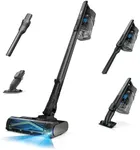
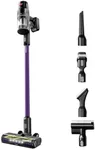
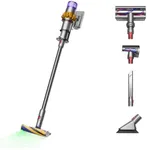
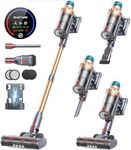
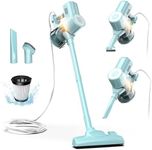
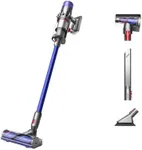
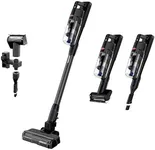
Attachments and AccessoriesAttachments like crevice tools, motorized brushes, and dusting brushes make cleaning more versatile, allowing you to reach tight spots or handle pet hair. Some vacuums come with lots of these, while others are simpler. Think about your home’s challenges: lots of corners, high shelves, or shedding pets? Pick a vacuum with the attachments you need to make cleaning easier in those areas.