Buying Guide for the Best Mountain Bikes For Cross Country
Choosing the right mountain bike for cross-country riding is crucial for ensuring a comfortable and enjoyable experience on the trails. Cross-country biking involves riding over varied terrain, including uphill climbs, downhill descents, and flat sections. Therefore, it's important to select a bike that is lightweight, efficient, and capable of handling different types of terrain. Here are some key specifications to consider when choosing a mountain bike for cross-country riding.Frame MaterialThe frame material of a mountain bike affects its weight, durability, and ride quality. Common materials include aluminum, carbon fiber, and steel. Aluminum frames are lightweight and affordable, making them a popular choice for cross-country bikes. Carbon fiber frames are even lighter and offer excellent stiffness and vibration damping, but they are more expensive. Steel frames are durable and provide a smooth ride, but they are heavier. For cross-country riding, a lightweight frame is preferred to enhance efficiency and speed.
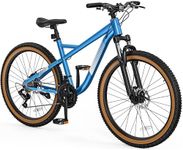
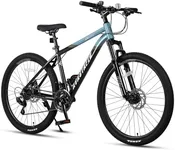
SuspensionSuspension systems on mountain bikes help absorb shocks from rough terrain, providing a smoother ride. Cross-country bikes typically have either front suspension (hardtail) or full suspension (both front and rear). Hardtail bikes are lighter and more efficient for climbing and pedaling on smooth trails. Full suspension bikes offer better control and comfort on rough terrain but are heavier. If you plan to ride on varied terrain with significant rough sections, a full suspension bike may be beneficial. For smoother trails and climbing efficiency, a hardtail bike is a good choice.
Wheel SizeMountain bikes come with different wheel sizes, including 26-inch, 27.5-inch, and 29-inch. Larger wheels (29-inch) roll over obstacles more easily and maintain momentum better, making them ideal for cross-country riding. They also provide better traction and stability. Smaller wheels (26-inch and 27.5-inch) are more agile and easier to maneuver, which can be beneficial on tight and technical trails. For cross-country riding, 29-inch wheels are generally preferred for their efficiency and ability to handle varied terrain.
Gear RangeThe gear range of a mountain bike determines how easily you can tackle different types of terrain. Cross-country bikes typically have a wide gear range to accommodate both steep climbs and fast descents. Look for bikes with multiple gears, such as a 1x12 or 2x11 drivetrain, which offer a good balance of simplicity and versatility. A wider gear range allows you to maintain a comfortable cadence and ride efficiently on varied terrain. Consider your riding style and the types of trails you plan to ride when choosing the gear range.
BrakesBrakes are essential for controlling your speed and ensuring safety on the trails. Mountain bikes typically come with either rim brakes or disc brakes. Disc brakes, especially hydraulic disc brakes, offer superior stopping power and performance in all weather conditions, making them ideal for cross-country riding. Rim brakes are lighter and less expensive but may not perform as well in wet or muddy conditions. For cross-country riding, hydraulic disc brakes are recommended for their reliability and consistent performance.
WeightThe weight of a mountain bike affects its handling and efficiency, especially during climbs. Lighter bikes are easier to maneuver and require less effort to pedal uphill. However, lighter bikes can be more expensive due to the use of advanced materials and components. When choosing a cross-country bike, aim for a balance between weight and durability. Consider how much climbing you will be doing and whether a lighter bike will enhance your riding experience.