Buying Guide for the Best Miniature MP3 Players
Choosing the right miniature MP3 player can greatly enhance your music listening experience, especially if you are looking for a compact and portable device. When selecting an MP3 player, it's important to consider several key specifications to ensure it meets your needs. Here are the main specs to look out for and how to navigate them.Storage CapacityStorage capacity refers to the amount of data the MP3 player can hold, typically measured in gigabytes (GB). This is important because it determines how many songs or audio files you can store on the device. MP3 players usually come with storage capacities ranging from 2GB to 64GB or more. If you have a large music library or prefer high-quality audio files, opt for a higher capacity. For casual listeners with a smaller collection, a lower capacity may suffice.
Battery LifeBattery life indicates how long the MP3 player can operate on a single charge. This is crucial for ensuring that your device lasts through long commutes, workouts, or travel without needing frequent recharges. Battery life can range from a few hours to over 30 hours. If you plan to use the player extensively throughout the day, look for one with longer battery life. For occasional use, a shorter battery life may be acceptable.
Audio Format SupportAudio format support refers to the types of audio files the MP3 player can play. Common formats include MP3, WAV, AAC, and FLAC. This is important because it affects the compatibility of your music files with the player. If you have a diverse collection of music in various formats, choose a player that supports multiple formats. If your music is primarily in one format, ensure the player supports that specific format.
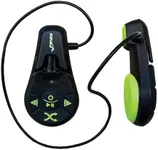
Size and WeightSize and weight are key factors for portability and convenience. A smaller and lighter MP3 player is easier to carry around, especially during activities like jogging or traveling. Sizes can vary from very compact, pocket-sized devices to slightly larger ones. If you need a player for active use, opt for a smaller, lightweight model. For general use, size and weight may be less critical.
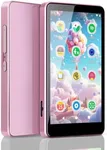
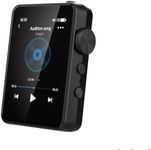
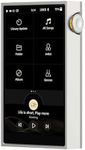
Display ScreenThe display screen on an MP3 player shows information such as song titles, battery status, and navigation menus. This is important for ease of use and navigating your music library. Some players have no screen, while others have small monochrome or color displays. If you prefer visual navigation and easy access to information, choose a player with a clear, readable screen. If you prioritize simplicity and minimalism, a screenless model might be suitable.
User Interface and ControlsThe user interface and controls determine how you interact with the MP3 player. This includes buttons, touchscreens, and navigation menus. A well-designed interface is important for ease of use and quick access to your music. Players with physical buttons are often easier to use without looking, while touchscreens offer more advanced navigation options. Consider your preference for tactile feedback versus modern touch controls when choosing a player.
Durability and Build QualityDurability and build quality refer to how well the MP3 player can withstand daily wear and tear. This is important for ensuring the longevity of your device, especially if you plan to use it in various environments. Look for players with sturdy construction, such as metal or high-quality plastic. If you need a player for outdoor activities or rough use, prioritize durability. For more casual use, standard build quality may be sufficient.
Additional FeaturesAdditional features can enhance the functionality of your MP3 player. These may include Bluetooth connectivity, FM radio, voice recording, and expandable storage via microSD cards. These features are important for added convenience and versatility. If you want to connect wireless headphones, look for Bluetooth support. If you enjoy listening to the radio or need a voice recorder, consider players with these capabilities. Choose features based on your specific needs and preferences.