Buying Guide for the Best Mini Excavators
Choosing the right mini-excavator can make a significant difference in the efficiency and effectiveness of your construction or landscaping projects. Mini-excavators are versatile machines that can handle a variety of tasks, from digging and trenching to demolition and material handling. To find the best fit for your needs, it's important to understand the key specifications and how they relate to your specific requirements. Here are the main specs to consider when selecting a mini-excavator.Operating WeightThe operating weight of a mini-excavator refers to the total weight of the machine, including the operator, fuel, and any attachments. This spec is important because it affects the machine's stability and ability to handle different types of terrain. Mini-excavators typically range from 1 to 10 tons. Lighter models (1-3 tons) are ideal for small, delicate jobs and areas with limited access. Mid-range models (3-6 tons) offer a balance of power and maneuverability, suitable for general construction tasks. Heavier models (6-10 tons) provide more power and stability for larger projects. Choose the operating weight based on the scale and nature of your projects.
Engine PowerEngine power, measured in horsepower (HP), determines the mini-excavator's ability to perform demanding tasks. Higher horsepower means more power to dig, lift, and move materials. Mini-excavators typically have engines ranging from 10 to 70 HP. For light-duty tasks like landscaping or small trenching jobs, a lower horsepower (10-25 HP) is sufficient. For more intensive tasks such as heavy digging or demolition, a higher horsepower (25-70 HP) is necessary. Consider the type of work you'll be doing most often to determine the appropriate engine power.
Digging DepthDigging depth indicates how deep the mini-excavator can dig below ground level. This spec is crucial for tasks that require deep excavation, such as installing utilities or foundations. Mini-excavators typically offer digging depths ranging from 5 to 15 feet. For shallow tasks like gardening or small trenching, a digging depth of 5-8 feet is adequate. For medium-depth tasks like installing pipes or cables, a depth of 8-12 feet is suitable. For deep excavation projects, look for models with a digging depth of 12-15 feet. Match the digging depth to the requirements of your specific projects.
Bucket CapacityBucket capacity refers to the volume of material the bucket can hold, usually measured in cubic yards or cubic meters. This spec affects how much material you can move in a single scoop, impacting overall productivity. Mini-excavators typically have bucket capacities ranging from 0.01 to 1 cubic yard. For light tasks like small-scale landscaping or minor excavation, a smaller bucket (0.01-0.1 cubic yard) is sufficient. For general construction or medium-scale projects, a mid-sized bucket (0.1-0.5 cubic yard) is appropriate. For large-scale excavation or material handling, a larger bucket (0.5-1 cubic yard) is necessary. Choose the bucket capacity based on the volume of material you need to move.
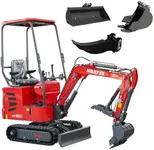
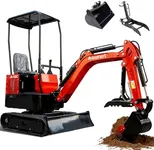
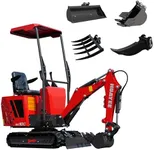
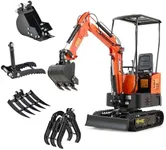
Attachment OptionsAttachment options refer to the various tools and accessories that can be added to the mini-excavator to enhance its versatility. Common attachments include buckets, augers, breakers, and grapples. The availability and compatibility of attachments are important because they allow you to perform a wider range of tasks with a single machine. When choosing a mini-excavator, consider the types of attachments you may need for your projects. Ensure the model you select is compatible with the attachments you plan to use, and check if the machine has quick-attach systems for easy swapping of tools.
Track TypeTrack type refers to the type of tracks the mini-excavator uses, which can be either rubber or steel. This spec is important because it affects the machine's traction, stability, and impact on the ground surface. Rubber tracks are ideal for soft or delicate surfaces like lawns or pavements, as they cause less damage and provide good traction. Steel tracks are better suited for rough, uneven, or rocky terrain, offering greater durability and stability. Choose the track type based on the typical ground conditions of your work sites.