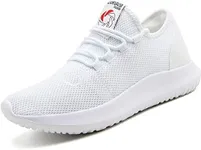
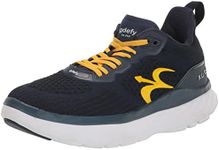
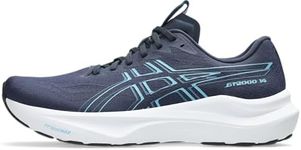
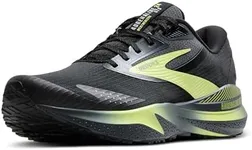
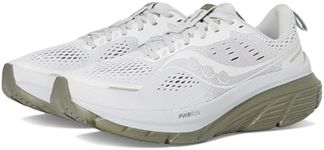
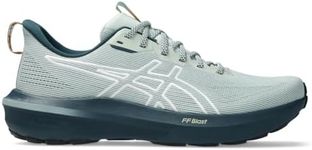
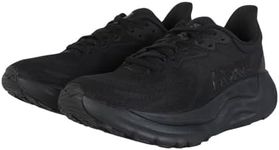
Buying Guide for the Best Men's Stability Running Shoes
Choosing the right pair of men's stability running shoes is crucial for ensuring comfort, preventing injuries, and enhancing your running performance. Stability running shoes are designed to provide extra support and control for runners who overpronate, meaning their feet roll inward excessively when they run. To find the best fit for you, it's important to understand the key specifications and how they relate to your individual needs and running style.Arch SupportArch support is the level of support provided to the arch of your foot. This is important because it helps to distribute pressure evenly and can prevent injuries. Stability running shoes typically offer moderate to high arch support to help control overpronation. If you have flat feet or low arches, look for shoes with higher arch support. If you have medium to high arches, moderate arch support may be sufficient.
Heel-to-Toe DropThe heel-to-toe drop is the difference in height between the heel and the forefoot of the shoe. This spec is important because it affects your running form and the way your foot strikes the ground. Stability shoes usually have a moderate drop (around 8-12mm) to provide a balance between cushioning and support. If you are a heel striker, a higher drop may be beneficial. If you have a more midfoot or forefoot strike, a lower drop might be more suitable.
CushioningCushioning refers to the amount of padding in the shoe, which impacts comfort and shock absorption. This is important for reducing the impact on your joints and muscles. Stability running shoes often have moderate to high cushioning to provide both support and comfort. If you run long distances or on hard surfaces, you might prefer shoes with more cushioning. For shorter runs or softer surfaces, moderate cushioning may be adequate.
WeightThe weight of the shoe can affect your running efficiency and speed. Lighter shoes can help you run faster and feel less fatigued, while heavier shoes often provide more support and durability. Stability running shoes tend to be slightly heavier due to the added support features. If you prioritize speed and agility, look for lighter stability shoes. If you need more support and durability, a slightly heavier shoe might be better.
Fit and SizeThe fit and size of the shoe are crucial for comfort and performance. A well-fitting shoe should have enough room in the toe box, a snug fit around the midfoot, and secure heel support. This is important to prevent blisters, discomfort, and injuries. When choosing stability running shoes, make sure to try them on and walk or run a bit to ensure they fit well. Consider the width of your feet and any specific fit preferences you have.
DurabilityDurability refers to how long the shoe will last before it wears out. This is important for getting the best value and ensuring consistent performance. Stability running shoes are generally built to be durable due to their supportive features. If you run frequently or on rough terrain, look for shoes with durable materials and reinforced areas. For occasional runners or those on smoother surfaces, standard durability may be sufficient.