Buying Guide for the Best Men's Moisture-Wicking Shirts
When it comes to choosing the right men's moisture-wicking shirt, it's important to consider a few key specifications that will ensure you get the best fit and performance for your needs. Moisture-wicking shirts are designed to keep you dry and comfortable by drawing sweat away from your skin and allowing it to evaporate quickly. This makes them ideal for workouts, outdoor activities, or even everyday wear in hot and humid conditions. To make an informed decision, you'll need to understand the different features and how they align with your personal preferences and activities.MaterialThe material of a moisture-wicking shirt is crucial because it determines how effectively the shirt can manage sweat. Common materials include polyester, nylon, and blends of synthetic fibers. Polyester is lightweight and durable, making it a popular choice for athletic wear. Nylon is also strong and has a smooth texture, which can be more comfortable for some people. Blends often combine the best properties of different fibers. When choosing a material, consider the type of activity you'll be doing. For high-intensity workouts, a lightweight and highly breathable fabric like polyester might be best. For everyday wear, a blend that offers both comfort and performance could be ideal.
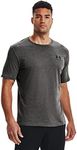
FitThe fit of a moisture-wicking shirt affects both comfort and performance. Shirts typically come in three main fits: slim, regular, and loose. A slim fit is snug and contours to the body, which can help with moisture management and reduce chafing during intense activities. A regular fit offers a balance between comfort and performance, making it versatile for various activities. A loose fit provides maximum comfort and airflow, which can be great for casual wear or low-intensity activities. Choose a fit based on your personal comfort and the type of activity you'll be engaging in.
BreathabilityBreathability refers to how well the fabric allows air to circulate, which helps keep you cool and dry. Highly breathable fabrics are essential for high-intensity activities or hot climates, as they prevent overheating and improve comfort. Look for shirts with mesh panels or ventilation zones if you need extra breathability. For moderate activities or cooler climates, standard moisture-wicking fabrics without additional ventilation may suffice. Consider your typical activity level and environment when evaluating breathability.
Odor ControlOdor control is an important feature for moisture-wicking shirts, especially if you plan to wear them for extended periods or during intense workouts. Some shirts are treated with antimicrobial agents that help prevent the growth of odor-causing bacteria. This can keep the shirt smelling fresher for longer. If you are prone to sweating heavily or will be wearing the shirt in situations where you can't change frequently, look for options with built-in odor control. For less intense activities or shorter wear times, this feature may be less critical.
DurabilityDurability is a key factor to consider, especially if you plan to use the shirt frequently or for rigorous activities. Durable shirts are made from high-quality materials and have reinforced stitching to withstand wear and tear. Check for reviews or product descriptions that mention the shirt's longevity. If you need a shirt for intense sports or outdoor adventures, prioritize durability. For casual or occasional use, you might not need the highest level of durability, but it's still worth considering to ensure you get good value for your purchase.
UV ProtectionUV protection is an added benefit in some moisture-wicking shirts, providing an extra layer of defense against harmful ultraviolet rays. This is particularly important if you'll be wearing the shirt for outdoor activities like running, hiking, or playing sports. Shirts with a UPF (Ultraviolet Protection Factor) rating indicate how effectively they block UV radiation. If you spend a lot of time outdoors, look for shirts with a higher UPF rating to protect your skin. For indoor activities or minimal sun exposure, UV protection may be less of a priority.